Air India 787 Flight Delays Departure at Heathrow as Passenger Misses Boarding

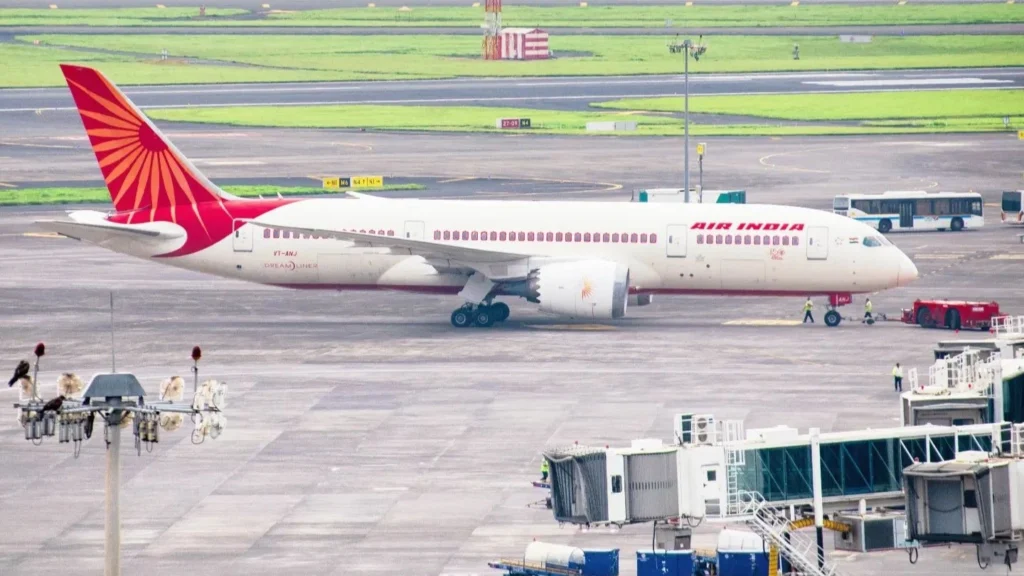
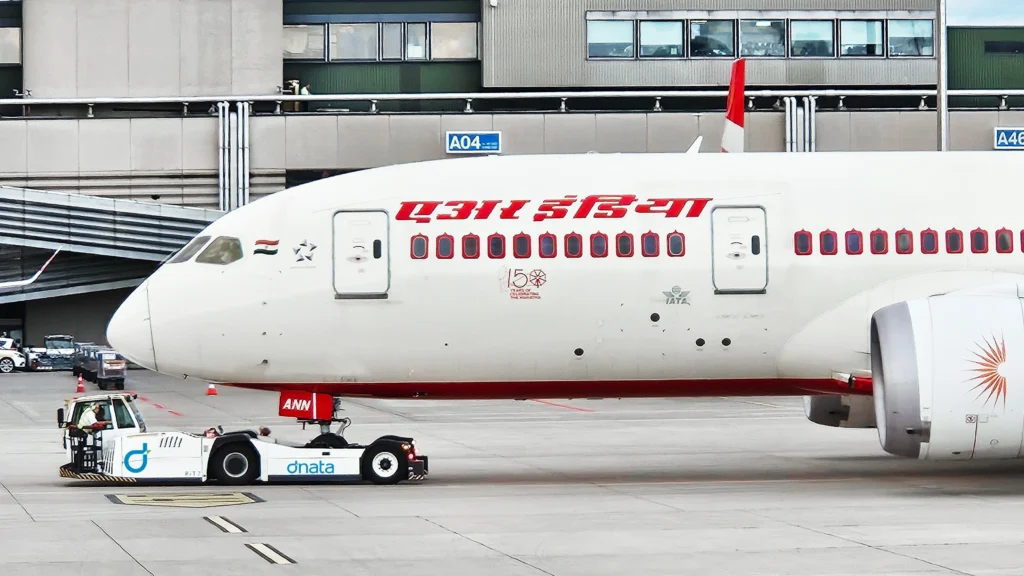
LONDON- On September 21, 2025, Air India (AI) Flight AI162, which was headed to Delhi (DEL), made an unexpected return to the gate while taxiing at London Heathrow (LHR). This unusual turn of events occurred when the crew realized a passenger had not boarded, despite having scanned their boarding pass. This incident highlights the airline’s unwavering dedication to security, even amidst operational challenges.
During the taxiing process, the crew identified the missing passenger, prompting an immediate reversal to ensure that unchecked baggage was offloaded in accordance with international safety protocols. Although this decision resulted in further delays for the other passengers, it was crucial for averting potential risks associated with the nine-hour flight.
Air India 787 Abort Takeoff
Flight AI162 left its gate late on Sunday, already 45 minutes behind schedule due to prior delays in ground operations. While the Boeing 787-9 aircraft was taxiing toward the runway, the flight crew double-checked the passenger manifest and discovered one traveler was missing.
The missing passenger had scanned their boarding pass, creating a false assumption that they were on board. In reality, they had mistakenly navigated to the arrivals area instead of the boarding bridge.
A swift intervention by airport security located and detained the passenger for questioning, ensuring there were no further security concerns.
According to Air India, crew members train extensively for such scenarios, allowing for prompt action that ensured compliance with International Civil Aviation Organization (ICAO) guidelines. This included the removal of the missing passenger’s luggage from the aircraft hold, a crucial step to mitigate risks associated with unattended bags.
After addressing the issue, the flight was able to depart again with a total of about 90 minutes of delay, carrying roughly 200 passengers, although the exact number was not confirmed at the time of reporting.
The airline communicated updates to passengers throughout the ordeal and later expressed regret for the inconvenience while commending the crew for their adherence to established procedures.
This situation underscores the operational challenges faced in busy hubs like Heathrow (LHR), which sees over 80 million passengers annually. Despite advancements in technology such as biometric gates, human errors can still occur, prompting Air India to enhance fleet-wide training efforts to prevent recurrences.
Similar Incident
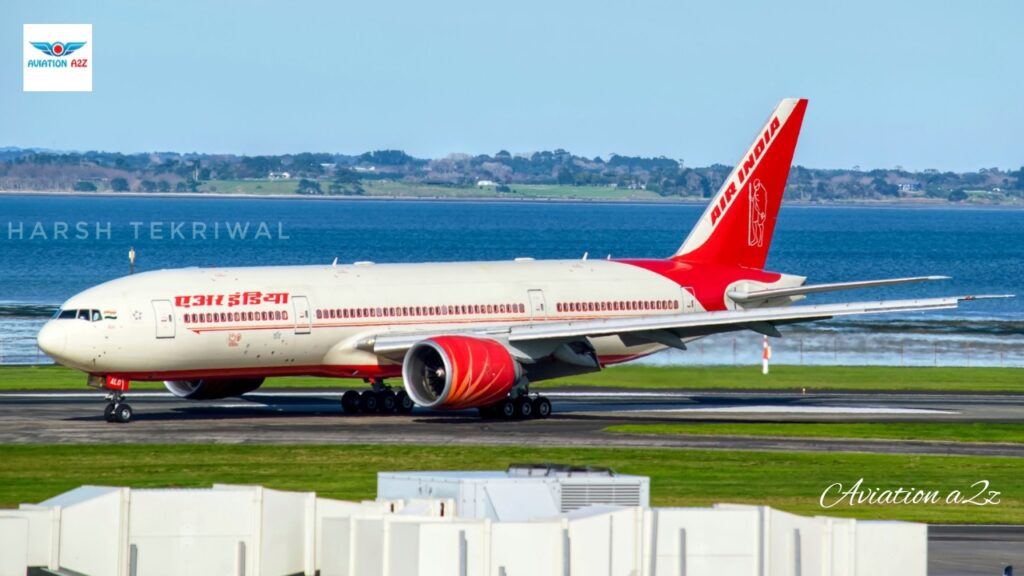
Just 11 days earlier, on September 10, 2025, Air India (AI) Flight AI 2380 from Delhi (DEL) to Singapore (SIN) faced complications, with over 200 passengers stranded for nearly six hours due to a cabin cooling and electrical failure in its Boeing 787-9 Dreamliner.
The aircraft had boarded around 11 PM, but passengers experienced two hours of extreme heat, as air conditioning was malfunctioning and cabin power was intermittent. Videos released showed passengers using makeshift fans, amplifying their discomfort during a humid Delhi night.
According to safety regulations, crew members deplaned everyone to comply with safety norms, as continued exposure without cooling violated standards. Open doors, necessary for ventilation, exacerbated the situation, delaying the cabin’s temperature normalization.
Air India confirmed the cabin cooling issue occurred before departure due to electrical faults. Once back inside the terminal, staff provided food, water, and updates to the passengers hourly. The flight eventually took off around 5 AM, transforming a midnight flight into an all-night ordeal.
This technical glitch has raised concerns regarding the aging Dreamliner fleet, with Air India (AI) pledging to conduct more thorough maintenance checks to avert similar situations in the future.
Security and Operational Standards
Incidents like the return of Flight AI162 and the delay of Flight AI 2380 from Delhi to Singapore emphasize the rigorous compliance measures necessary for ensuring passenger safety.
Airlines must adhere to protocol, including offloading the baggage of absent travelers to mitigate risks and conducting thorough technical checks before any departure.
While these delays are inconvenient for passengers, they mirror the industry’s focus on safety and regulatory adherence over mere punctuality.
What are your thoughts on the importance of safety protocols in air travel?