EVA Air Boeing 787 Experiences Tail Strike Incident in Taipei

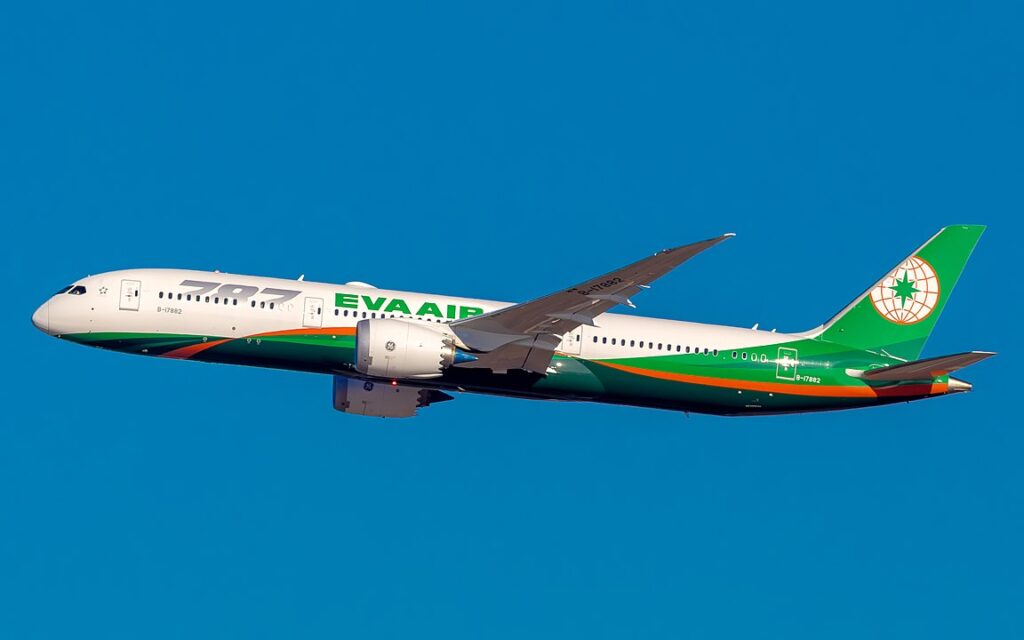
TAIPEI- On October 4, 2025, an EVA Air (BR) Boeing 787-9 Dreamliner experienced a tail strike during a go-around at Taipei Songshan Airport (TSA). This incident occurred while operating flight BR-711, which was en route from Shanghai Pudong (PVG).
The aircraft, identified as B-17881, made a brief touchdown before its tail made contact with the runway. Thankfully, the crew managed to climb away safely and later landed without any injuries reported among passengers or the crew.

EVA Air 787 Tail Strike Incident
Flight data indicates that the EVA Air Boeing 787-9 was on a short approach when the crew initiated a go-around at a low altitude. During this maneuver, the main landing gear made slight contact with the runway, which resulted in the tail of the aircraft experiencing a scrape.
The pilots then ascended to around 3,000 feet, circled back, and successfully landed about 15 minutes later.
EVA Air confirmed that the tail strike caused minor damage to the aircraft’s tail strike protection system. The protective strip will be replaced, and a detailed inspection by maintenance teams will ensure the aircraft’s readiness to return to service. Importantly, no injuries were reported among passengers or crew, with safety measures duly observed throughout the process.
The Dreamliner remains at Taipei Songshan Airport for further inspections based on the latest information from Flightradar24.
Understanding Tail Strike Risks
Tail strikes can happen when an aircraft’s tail contacts the runway during takeoff or landing, often due to misjudged pitch angles or sudden flight adjustments. While these occurrences are infrequent, they call for a thorough investigation since the impact may compromise the aircraft’s fuselage structure.
Modern aircraft like the Boeing 787-9 come equipped with tail strike protection systems that help minimize damage during such incidents. However, operators must perform complete post-incident inspections to assure the aircraft is safe for future flights.
Related Incident in Aviation
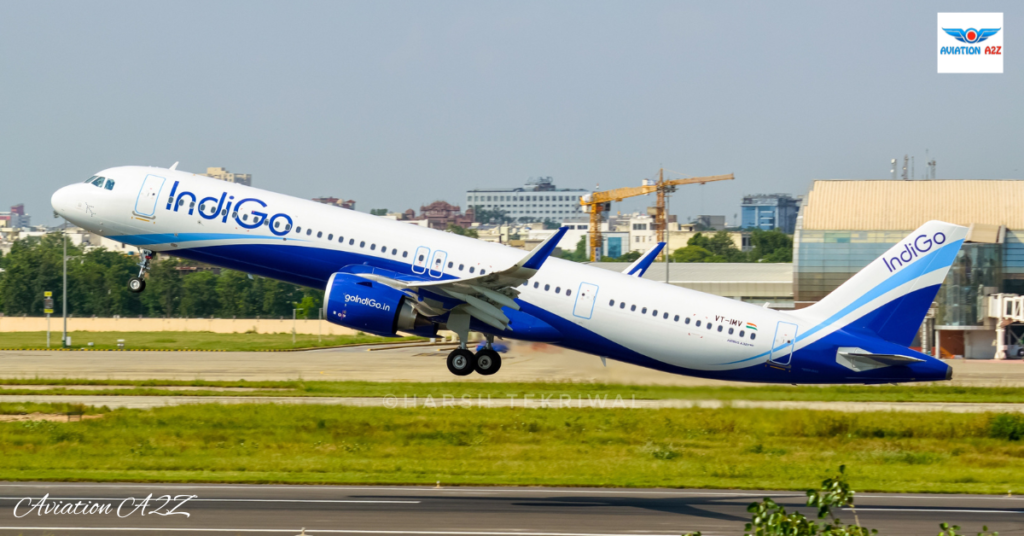
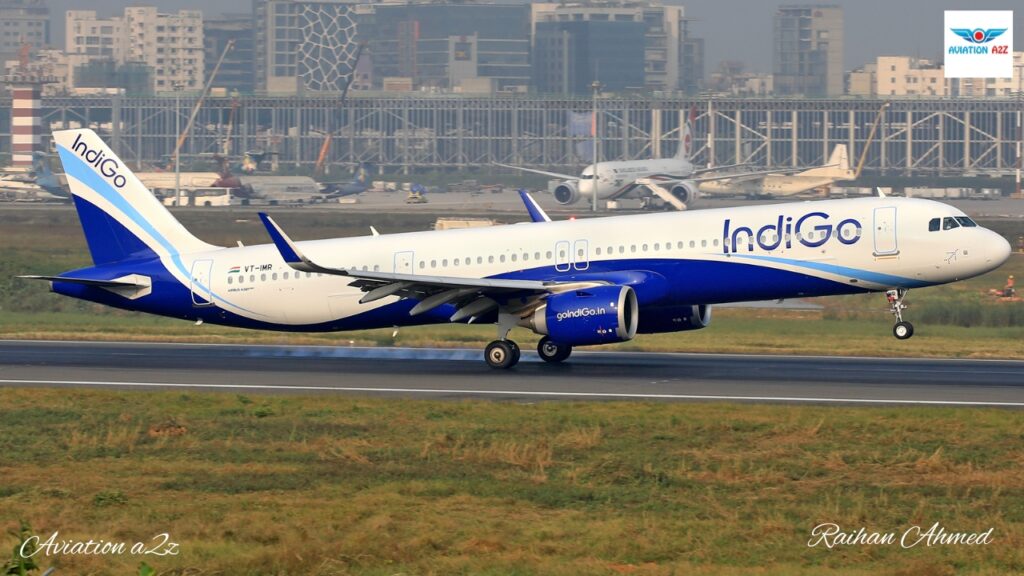
On September 9, 2024, the Directorate General of Civil Aviation (DGCA) suspended IndiGo (6E) pilots after a similar tail strike incident involving flight 6E6054 at Delhi Airport (DEL). This flight, operated by an Airbus A321neo registered as VT-IBI, was scheduled to travel to Bengaluru (BLR) when the event took place.
The aircraft has remained grounded while the regulatory body conducts its investigation. Details regarding the duration of the pilots’ suspension have not been disclosed.
DGCA Investigation into Tail Strike
Initial reports from DGCA indicate that show-cause notices were issued to the pilot-in-command and the co-pilot of IndiGo flight 6E6054. The regulator plans to maintain the suspension until the inquiry is concluded and accountability is determined.
The Airbus A321neo, known for its extended fuselage, is more susceptible to tail strikes if pitch angles are not closely monitored during critical phases. Post-incident inspections of flight VT-IBI have grounded the aircraft for safety checks, disrupting operations for over a week.
This incident is just one among several. In 2023, DGCA enforced a ₹30 lakh fine on IndiGo following four tail strike events involving the A321 fleet between January and June. These occurrences spurred the regulator to tighten its scrutiny on the airline’s operating procedures and pilot training protocols.
Prior DGCA Actions
The DGCA has previously taken similar actions after a tail strike incident at Ahmedabad Airport (AMD), resulting in a three-month suspension for the pilot-in-command and a month for the co-pilot. This step was taken due to a lack of adherence to standard operating protocols during critical flight phases.
Recurrent tail strike incidents have brought to light the growing need for enhanced simulator training for pilots operating the A321neo, which presents unique challenges with its longer fuselage and tighter rotation margins compared to the A320.
What are your thoughts on the measures being taken to improve aviation safety standards after these incidents?