Boeing Stops 747 Production in 2023, Yet 300+ Still in Service Worldwide

SEATTLE- Boeing concluded the production of its renowned 747 in early 2023, marking a significant shift in the world of aviation. Though this once-dominant aircraft, often referred to as the “queen of the skies,” is now less common, it has not entirely vanished from our skies.
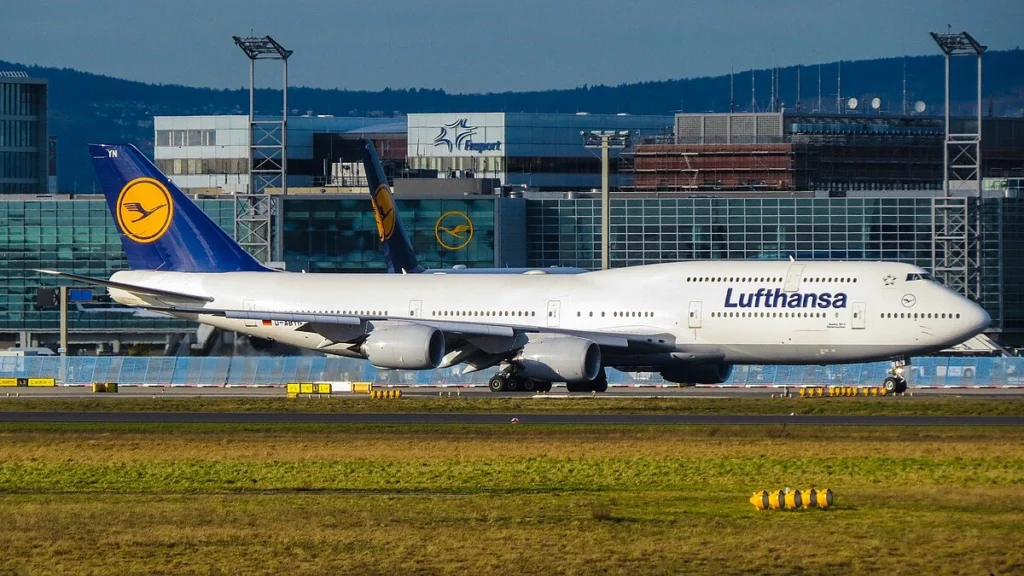
By late 2025, there remained over 300 Boeing 747s actively flying around the globe. While the majority are now utilized for cargo operations, a select few still transport passengers for airlines such as Lufthansa, Korean Air, and Air China.
Active Boeing 747 Fleet
The end of 747 production in 2023 also marked the conclusion of more than fifty years of manufacturing. Yet, this aircraft remains influential worldwide.
According to data gathered, approximately 334 Boeing 747 airframes are still operational, with an additional 46 grounded but potentially ready for service. This totals nearly 400 viable aircraft—a notable figure for a model that has transitioned mainly out of passenger service.
Among those grounded, several 747-8Fs belong to airlines like Silkway West, Atlas Air, and UPS. Some have unique futures ahead; for instance, four retired Korean Air 747-8s are being transformed by Sierra Nevada Corporation into U.S. Air Force command centers.
Additionally, two 747-8s originally intended for Transaero will soon be repurposed as the next VC-25B presidential aircraft, commonly known as Air Force One.
Passenger Operations with the 747
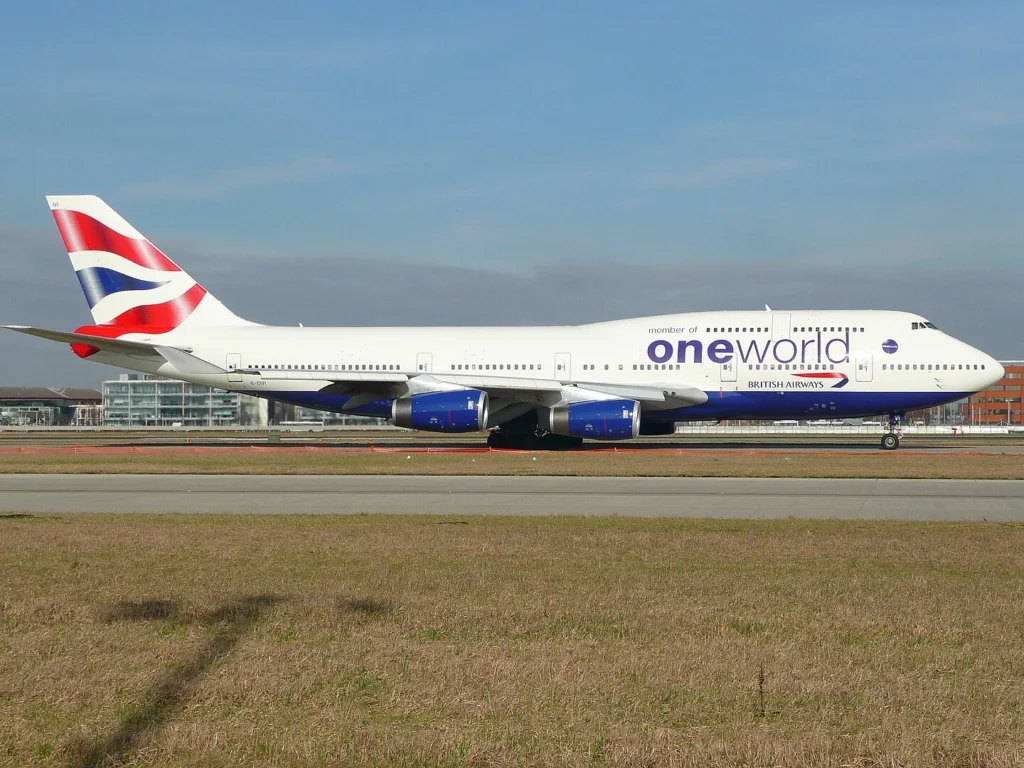
The number of airlines operating the 747 for passenger flights has decreased significantly over the last decade. British Airways, KLM, Qantas, and Air France have all retired their fleets. In the United States, Delta and United also phased out their 747s in 2017.
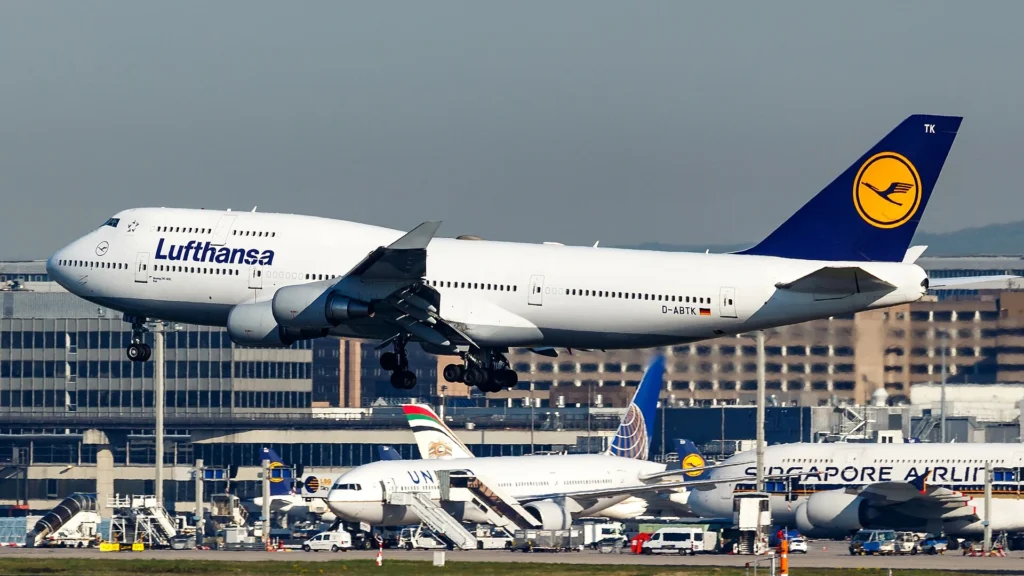
Currently, Lufthansa stands out as the largest operator, utilizing 27 active aircraft—comprising 19 of the 747-8 variant and eight 747-400s. The German airline continues to rely on these planes due to delays in the delivery of new long-haul jets like the Boeing 787 Dreamliner and Airbus A350, expecting to operate them into the 2030s.
Korean Air retains 16 Boeing 747s, including five 747-8Is for passenger service. Air China has nine, with a mix of 747-400s and 747-8Is primarily serving regular passenger roles.
Notably, Rossiya Airlines revived two 747-400s in 2024, repurposing jets previously owned by Transaero and originally transferred to Aeroflot.
Where the 747 Still Operates
Lufthansa is actively deploying its 747 fleet on vital intercontinental routes. The airline operates over 1,000 monthly flights, servicing destinations such as Toronto, Singapore, Los Angeles, Johannesburg, and Tokyo Haneda.
Korean Air also maintains a robust schedule with around 150 monthly flights, including services from Seoul to Los Angeles and London Heathrow.
Air China further uses its 747s for over 300 monthly flights, mainly focusing on dense domestic connections between Beijing and major cities while also providing long-haul routes to New York and Washington D.C.
Cargo Operators Keep the Boeing 747 Alive
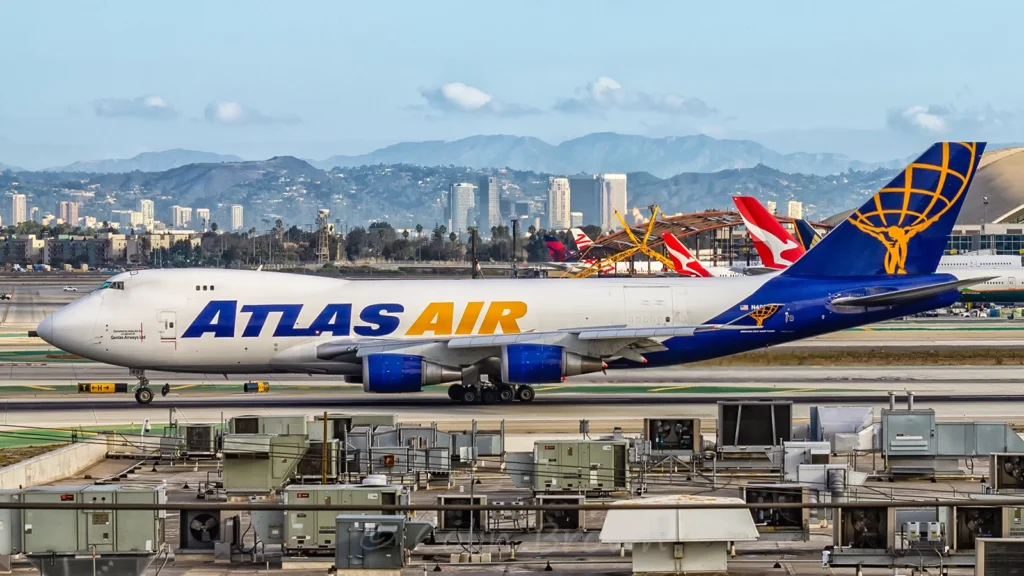
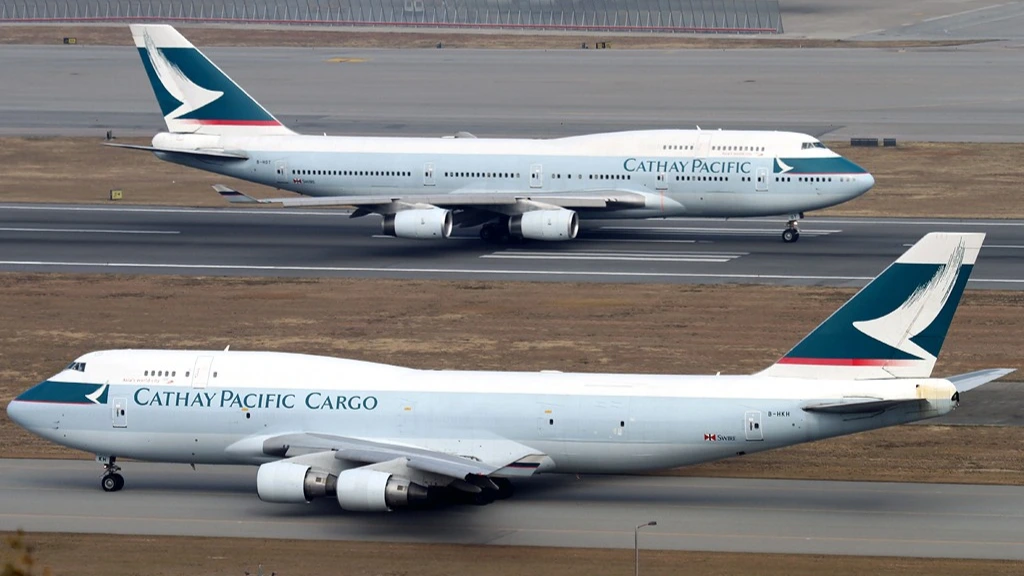
Cargo operations serve as a stronghold for the Boeing 747. Research indicates that freight operators conduct more than 9,600 flights monthly using this iconic aircraft. Airlines like Cargolux, Nippon Cargo Airlines, Cathay Pacific, and UPS rely heavily on its significant payload capacity.
Atlas Air is a major player with a fleet of 65 747s, including 48 747-400s and 17 747-8 freighters. UPS follows with 43 units, while Kalitta Air operates 22 747-400Fs. Cargolux and Cathay Pacific also maintain active fleets, ensuring the 747’s presence in cargo transport.
Furthermore, various governments worldwide continue to use the Boeing 747 for VIP transport, reinforcing its visibility in the skies.
A Lasting Legacy in Aviation
The Boeing 747 revolutionized air travel when it first took to the skies over five decades ago, making long-haul flights more accessible and linking major global hubs.
Today, it symbolizes a bygone era of aviation, still in operation but in diminished numbers as the industry shifts toward fuel-efficient twinjets.
The continuing service of the 747 underscores its engineering brilliance and historic significance. As new aircraft rise to prominence, the legacy of the Boeing 747 remains a testament to an unmatched era in aviation. How do you feel about the Boeing 747’s impact on the future of air travel?