United Airlines’ Flight Attendants Struggle with Hotel Rejection Issues

CHICAGO- United Airlines is encountering difficulties with hotel rejections for its flight attendants during layovers, according to the Association of Flight Attendants (AFA-CWA).
This situation adds pressure to ongoing contract discussions for over 25,000 crew members based at the airline’s Chicago O’Hare (ORD) hub.
Hotels in major layover cities like London (LHR), Amsterdam (AMS), and New York (JFK) are reportedly hesitant to accommodate crew members, citing operational issues and changing market dynamics.
This trend highlights the evolving relationship between airlines and hotel providers in light of the current travel economy.
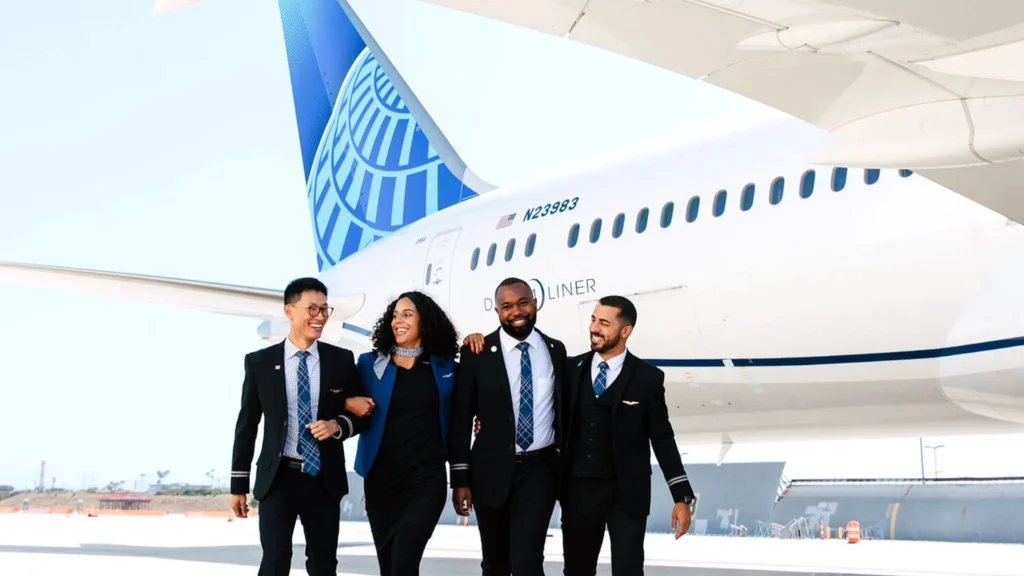
Challenges at United Airlines
For many years, airline crew members relished stays at premium hotels, a key attraction of the job. However, this trend is changing as hotels reconsider the value of their contracts with airlines.
Recent reports suggest that many hotels prefer accommodating regular guests who book directly, stay longer, and yield greater overall revenue compared to short-term airline crews.
Contracts with airlines come with specific requirements, such as 24-hour check-ins, locations near elevators or ice machines, and minimum quality levels.
These demands create challenges for hotel operations and reduce scheduling flexibility. With a surge in post-pandemic travel, hotels are successfully filling rooms at better margins without relying on airline partnerships.
While the AFA-CWA recognizes that guaranteed airline bookings can be advantageous, hotels increasingly view the stays of flight attendants as logistically complex.
United Airlines must navigate between managing costs while ensuring that its crew members have safe and compliant lodging options.
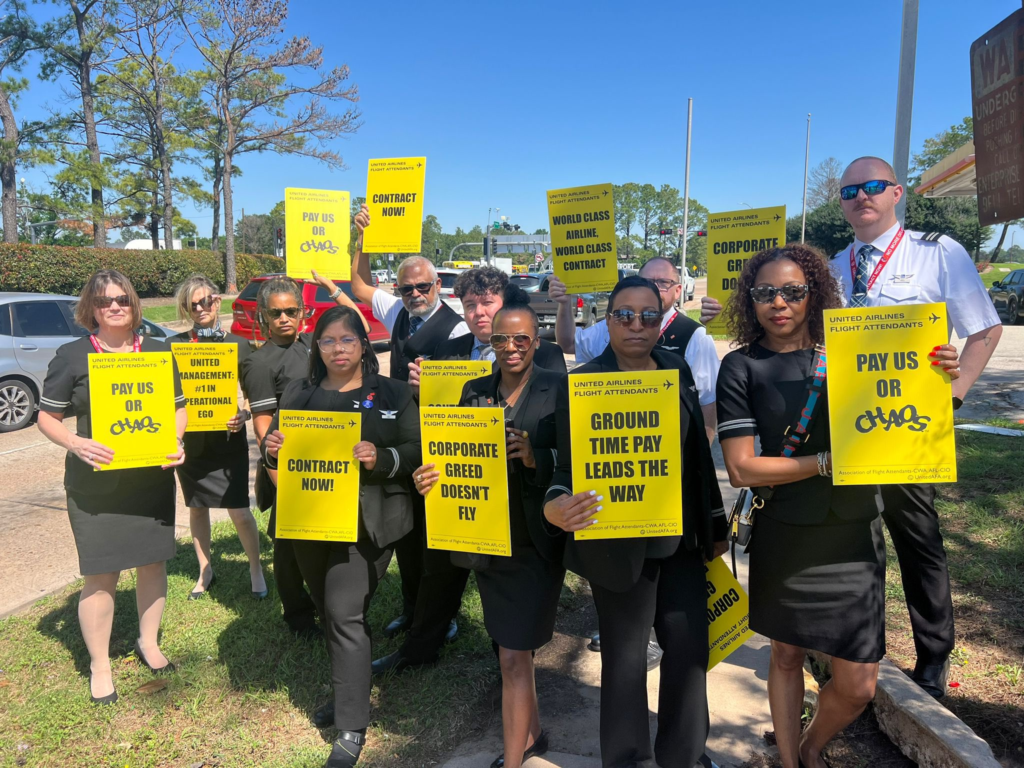
Contract Discussions and Crew Concerns
The AFA-CWA advocates for better quality hotel accommodations that are closer to main attractions and airports. However, United’s management cites rising costs and limited hotel options as reasons for compromise.
The airline has activated a clause in its existing contracts that allows for alternatives to “downtown” hotels, which has led to crews being positioned in less sought-after areas.
This shift has resulted in crew members being relocated from central zones in cities like London to locations over 20 miles away, a trend also noted in Amsterdam, Rome, and New York.
Flight attendants argue that these changes cause longer commutes, disrupt rest times, and negatively impact layover experiences.
Negotiations are ongoing, albeit slowly. A tentative proposal reached earlier this year suggested eliminating the “downtown-like” clause and updating the language surrounding “business class” hotels, potentially enhancing accommodation conditions.
Bargaining sessions are scheduled to continue well into Spring 2026, with no resolution currently in sight.
Looking Ahead
The larger hotel market is influencing this situation significantly. As travel demand normalizes, hotels are leaning towards greater flexibility and profitability over fixed contracts with airlines.
This shift presents logistical challenges and increased costs for airlines like United as they aim to secure reliable lodging for crew members who are on tight schedules.
Finalizing a new agreement with the AFA-CWA could lead to modest enhancements in the selection of accommodations for crew members.
Until then, flight attendants at United Airlines will continue to navigate the ongoing uncertainties regarding hotel quality and their layover experiences worldwide.