Boeing 787 Flight Hour Policy Changes Prompt Indian Pilots’ Concerns

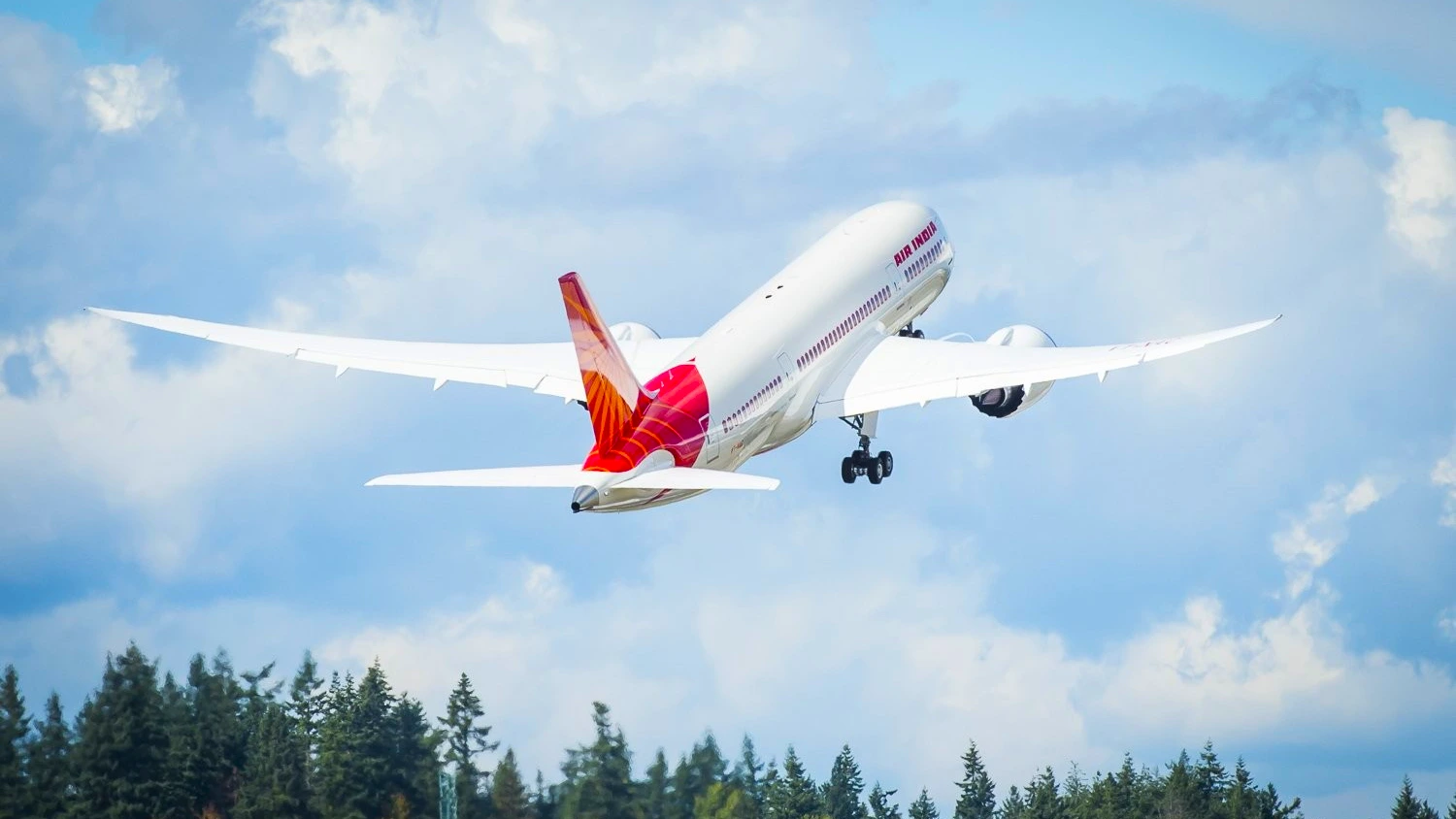
DELHI— The Airline Pilots’ Association of India (ALPA) has urged the Directorate General of Civil Aviation (DGCA) to promptly revoke the recent extension of flight duty time limits (FDTL) for Boeing 787 operations with two pilots.
According to ALPA, the DGCA’s decision to increase duty time from 10 hours to 10.5 hours and extend flight duty periods from 13 hours to 14 hours poses significant operational and safety risks. The association describes this change as a “grave operational and safety concern,” as reported by India Today.
Boeing 787 Pilot Flight Hours Extension
ALPA argues that this extension stretches the boundaries of safe flight operations. The association believes that pilots on long-haul and nighttime flights should work with a minimum of three crew members instead of two to guarantee proper rest during lengthy duty hours.
The organization insists that the DGCA must “immediately withdraw the FDTL extension” and enforce three-member crews for flights lasting over eight hours.
Moreover, ALPA has called for a thorough fatigue risk evaluation in collaboration with pilot representatives before any further changes to crew duty regulations are considered.
Pilots emphasize that fatigue is not simply a matter of comfort; it is intrinsically linked to performance and situational awareness, both vital for safety in long flights.
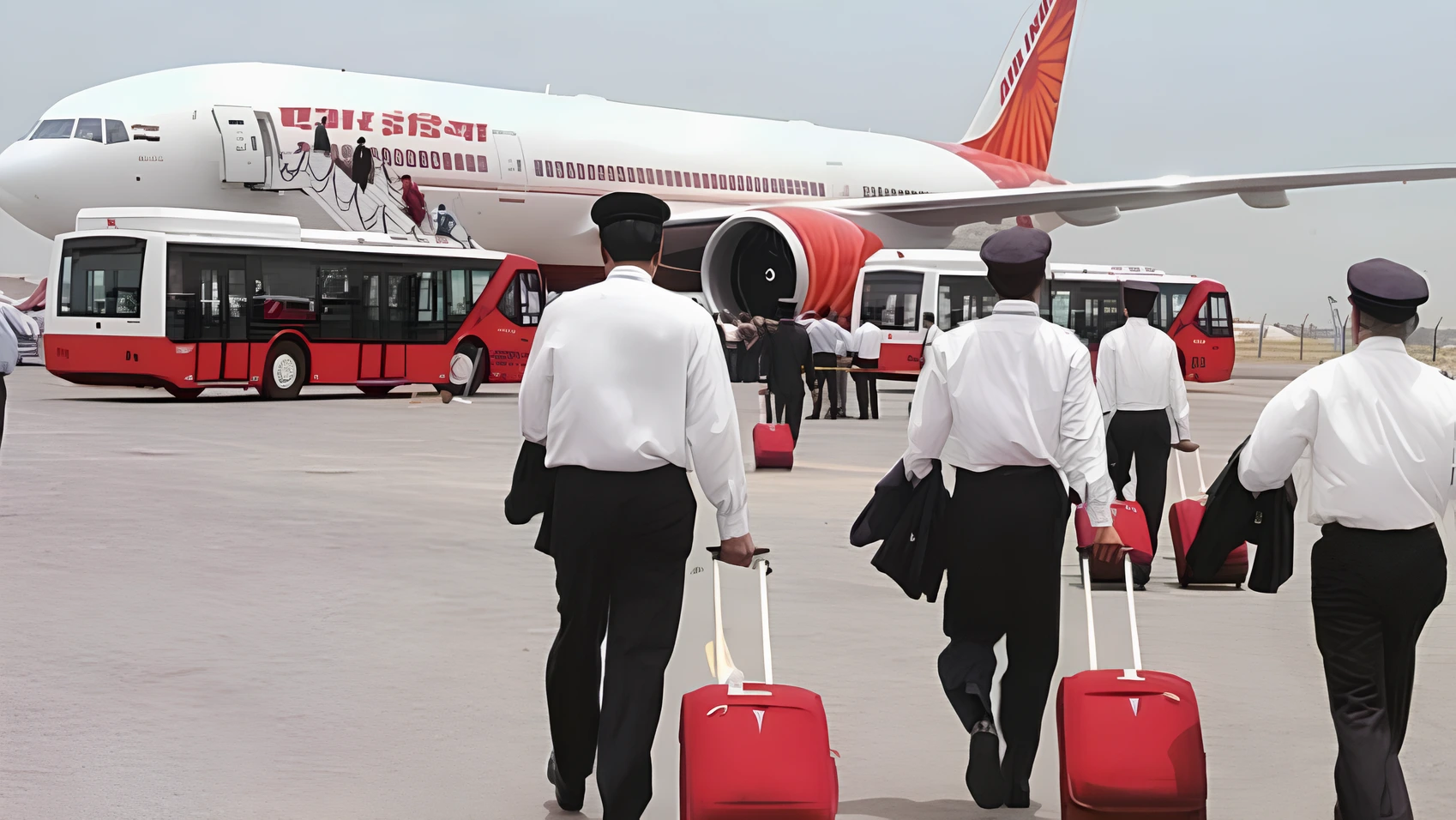
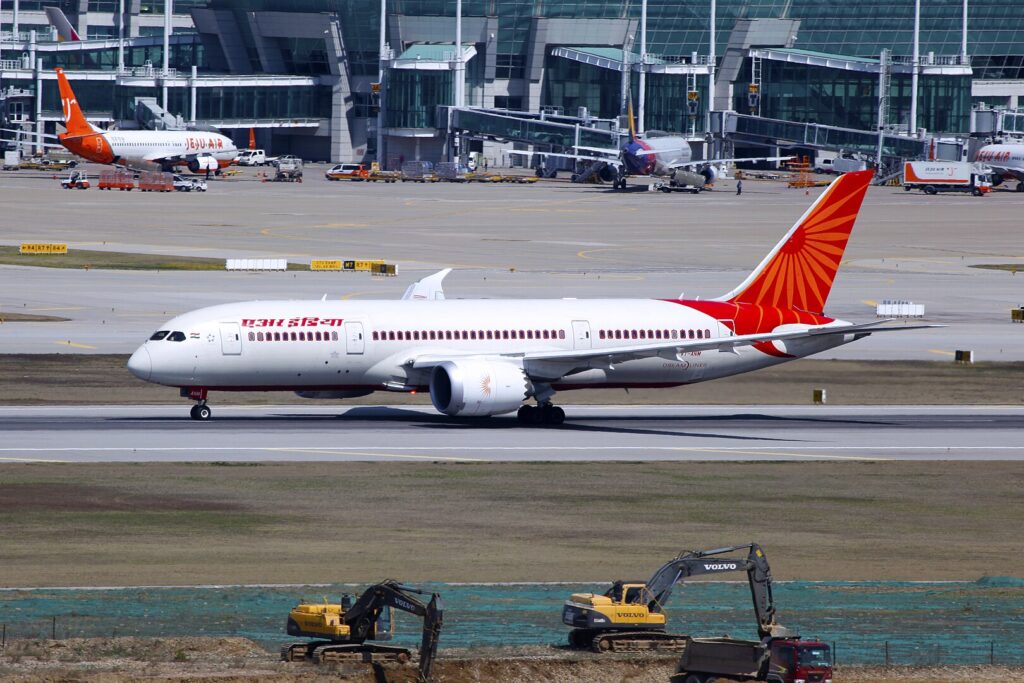
Pilots working on Boeing 787 aircraft for airlines like Air India and Vistara primarily handle long-haul routes from major hubs such as New Delhi (DEL) and Mumbai (BOM), making fatigue management an ongoing operational hurdle.
FAA Measures Influence Debate
ALPA’s request comes on the heels of similar safety concerns voiced by the U.S. Federal Aviation Administration (FAA). The FAA has recently imposed restrictions on the captain’s seat recline feature in the Boeing 787.
This directive followed reports indicating that limits on seat recline could negatively affect the quality of crew rest during long flights.
ALPA stated that this restriction “has had a direct and severe impact on in-flight rest effectiveness.” It emphasized that the inability to recline “significantly reduces rest quality,” especially on overnight flights when pilots struggle against circadian rhythm issues.
The association urged India’s regulators to adopt a precautionary approach, maintaining heightened crew requirements until Boeing implements necessary seat modifications across its 787 fleet.
Fatigue Risk and Safety
ALPA underscored that the DGCA’s recent choice “strikes at the heart of flight safety,” alerting that extended duty hours could impair the readiness of pilots responsible for long international flights.
“If left unaddressed, this move places both crew and passengers at unnecessary and avoidable risk,” the union cautioned. They implored the DGCA to prioritize the science of fatigue and align their policies with global safety standards rather than mere administrative convenience.
The pilots’ body reiterated that fatigue-related incidents tend to occur subtly but can lead to severe consequences if ignored. They called for data-backed transparency and risk assessments to safeguard both crew welfare and flight safety.
Bottom Line
India’s aviation regulator is facing increasing demands from pilots to reconsider its choice to extend flight duty hours for Boeing 787 operations.
As fatigue becomes a critical safety concern, ALPA’s warnings highlight the fragile balance between operational efficiency and human endurance.
Should the DGCA not reassess its policy, long-haul operations may come under heightened scrutiny from both domestic and international safety authorities.