Exploring Air Canada’s Fleet Innovations for 2025

TORONTO – Air Canada (AC), the largest airline in Canada, plays an essential role in linking the country with global destinations. With a vast network that spans six continents, Air Canada relies on a varied fleet of narrowbody and widebody aircraft to maintain its service.
In 2025, the airline plans to enhance its fleet strategy, focusing on efficiency, passenger satisfaction, and sustainable growth, thus positioning itself as a significant player in North America’s aviation landscape.
The Air Canada Fleet 2025 will feature a blend of Airbus and Boeing models, including upcoming electric-hybrid aircraft. The Airbus A220 has become crucial for domestic and transborder flights, complemented by the long-haul capabilities of the Boeing 777 and 787 Dreamliner series. Significant investments in these modern, fuel-efficient jets underscore Air Canada’s commitment to innovation.
New aircraft like the Airbus A321XLR and Boeing 787-10 will fortify its presence in long-haul markets, while the order for the Heart Aerospace ES-30 emphasizes a focus on sustainability.
With more than 200 aircraft currently operational and over 100 more on order, Air Canada is gearing up to transform its fleet for the future. Below, you’ll find a comprehensive overview of the Air Canada Fleet 2025, categorized by narrowbody and widebody aircraft.
Narrowbody Fleet
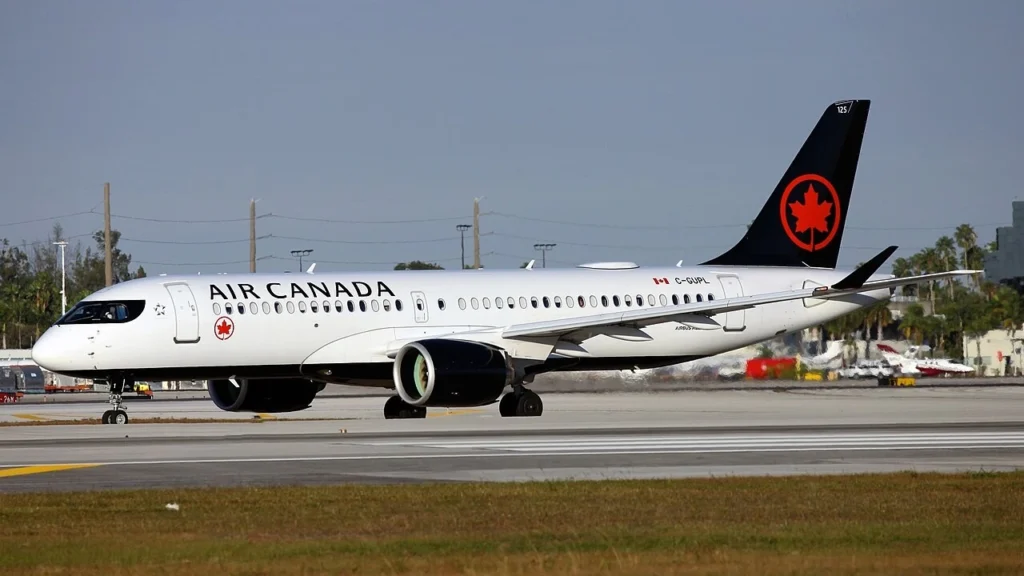
Airbus A220-300
The Airbus A220-300 is a cornerstone of Air Canada’s fleet, with 38 units already operational and an additional 27 on order. Deliveries are set to continue through 2027, with options for further expansion already exercised.
Thanks to its fuel efficiency and optimized operating costs, the A220 serves as an excellent substitute for older narrowbody models on various short- and mid-haul routes. It effectively fills the gap between regional jets and larger aircraft, enhancing flexibility on both domestic and transborder services.
Airbus A320-200
Air Canada operates 17 Airbus A320-200 jets, albeit some of the older models in its lineup. While no new orders are projected for this type, a retrofit initiative is in place for eight units to extend their operational life until newer aircraft are delivered.
The A320s primarily serve domestic and short-haul international routes, although they will be gradually replaced by the more modern A220s and A321neos.
Airbus A321-200
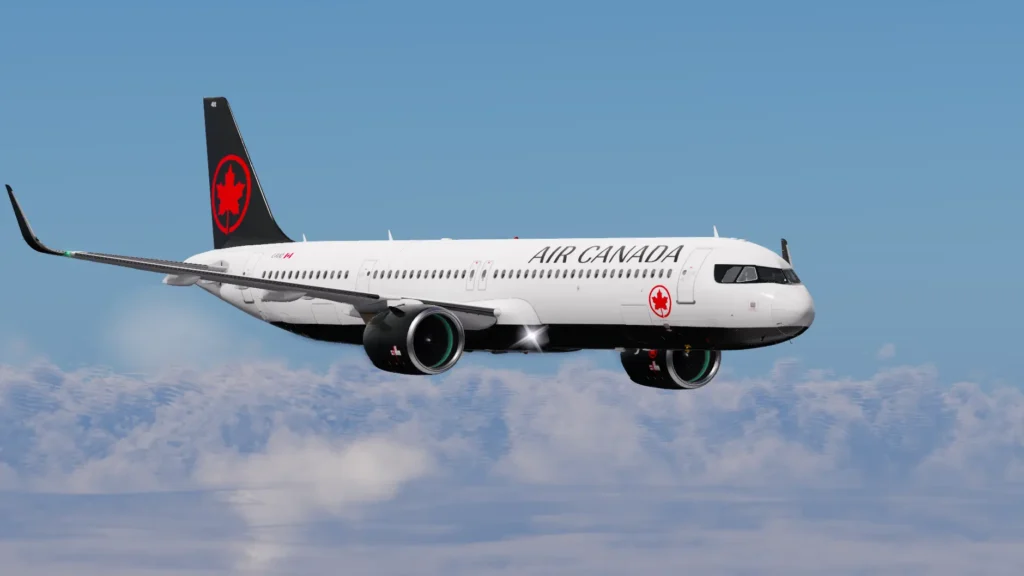
Currently, Air Canada has 15 Airbus A321-200 aircraft in service. These planes are slated for cabin retrofits to increase their seating capacity to 196 by the end of 2025, aligning with the airline’s strategy for higher-density operations.
Some additional units acquired from EVA Air will join the fleet, featuring slightly different configurations. Despite their age, these A321-200s are expected to remain operational until the arrival of new Airbus A321XLRs in 2026.
Airbus A321XLR
Among the most anticipated entries into the Air Canada Fleet 2025 is the Airbus A321XLR. With 30 units ordered for delivery from 2026 to 2029, this long-range narrowbody aircraft will enable improved efficiency on transatlantic and South American routes.
Enhanced premium cabin features will help air Canada compete effectively in both leisure and business travel sectors.
Boeing 737 MAX 8
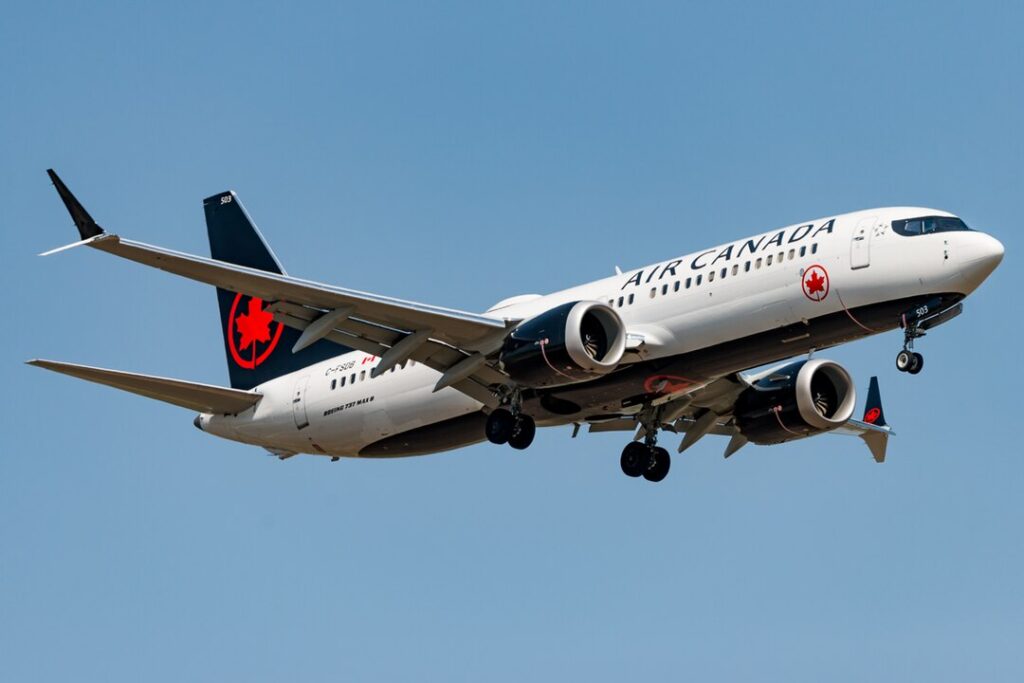
With 47 Boeing 737 MAX 8 aircraft active and an additional five on the way, this model is integral to the airline’s narrowbody offerings. However, all 52 MAX 8s are slated to be transferred to Air Canada Rouge by 2028, enhancing the leisure-focused subsidiary’s network. Presently, these planes operate across North America, the Caribbean, and select routes to South America.
Heart Aerospace ES-30
Air Canada has placed an order for 30 Heart Aerospace ES-30 hybrid-electric airplanes to be delivered starting in 2029. Although not part of the current Air Canada Fleet 2025, this order signifies a strong commitment to sustainable aviation and modernizing the regional fleet.
These aircraft will likely serve shorter domestic and regional routes, complementing the A220 and potentially replacing existing smaller regional jets.
Widebody Fleet
Airbus A330-300
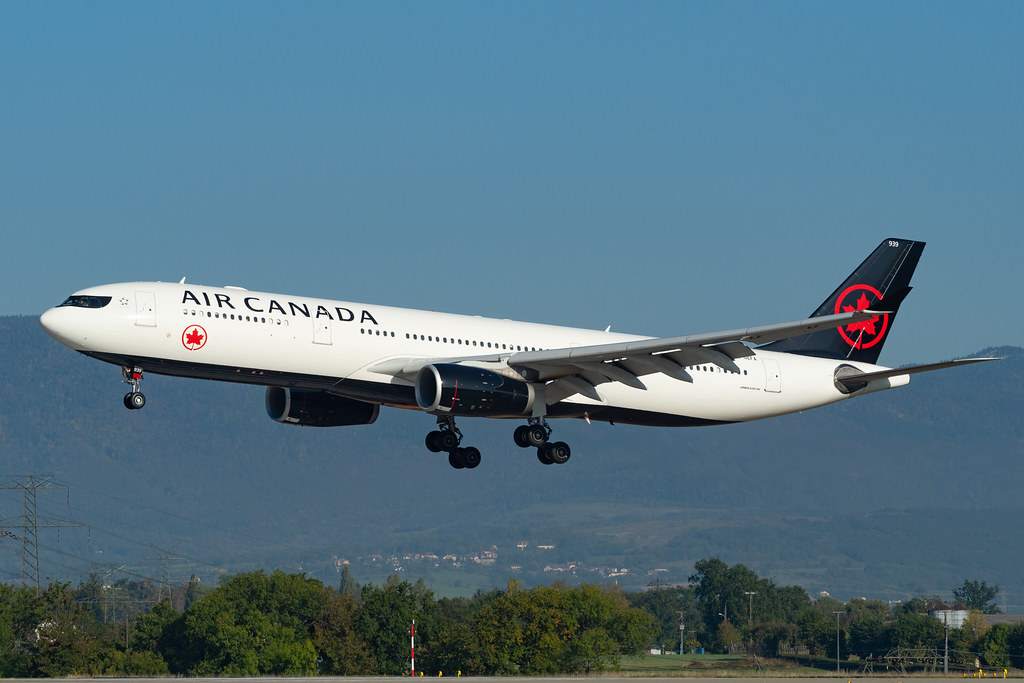
Air Canada operates 20 Airbus A330-300 aircraft that remain vital for long-haul operations. These planes are utilized on both transatlantic and select high-capacity domestic routes.
Though older, A330s continue to fulfill important roles thanks to routine cabin enhancements and a steady demand for mid-sized widebody aircraft. Their flexibility allows the airline to deploy them in high-demand scenarios.
Boeing 777-200LR
The Boeing 777-200LR fleet consists of six aircraft, primarily designated for ultra-long-haul services. Renowned for their long-range capability, these planes enable Air Canada to access destinations in Asia, the Middle East, and beyond.
Despite being fewer in number, they offer operational capabilities unmatched by other aircraft types in the fleet.
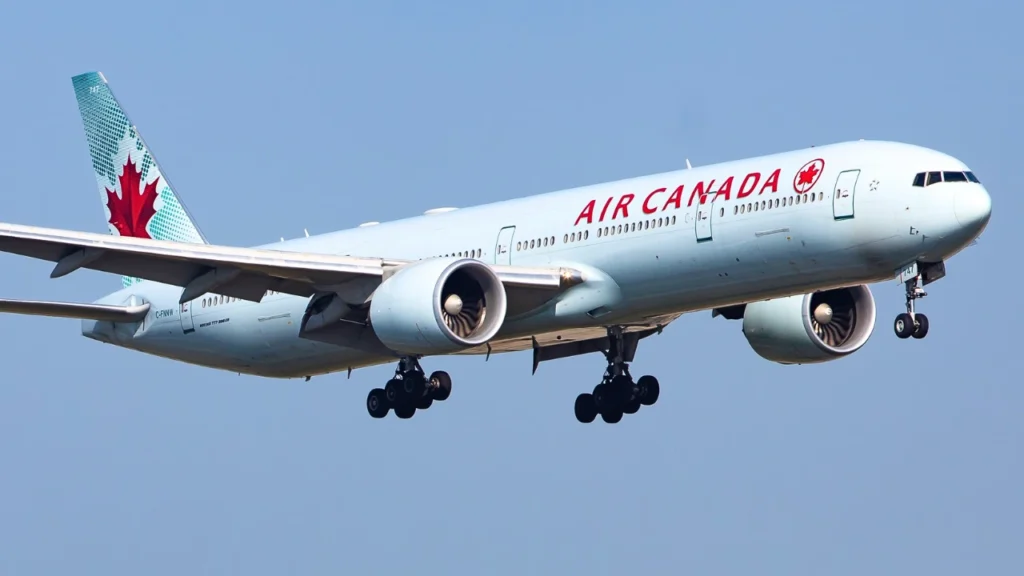
Boeing 777-300ER
Air Canada has 19 Boeing 777-300ERs, recognized as high-capacity aircraft. Seating around 400 passengers, these planes are pivotal for flagship long-haul routes such as Toronto to London, Toronto to Hong Kong, and Vancouver to Sydney.
To maintain competitiveness in global markets, they are undergoing retrofits to include the latest premium cabin designs.
Boeing 787-8
The Boeing 787-8 constitutes a smaller segment of Air Canada’s Dreamliner fleet, with eight units operational. These jets strike a balance between range and efficiency, making them ideal for long-haul routes with moderate demand.
The 787-8 has particularly aided the airline in expanding to secondary international destinations that would not be feasible with larger models.
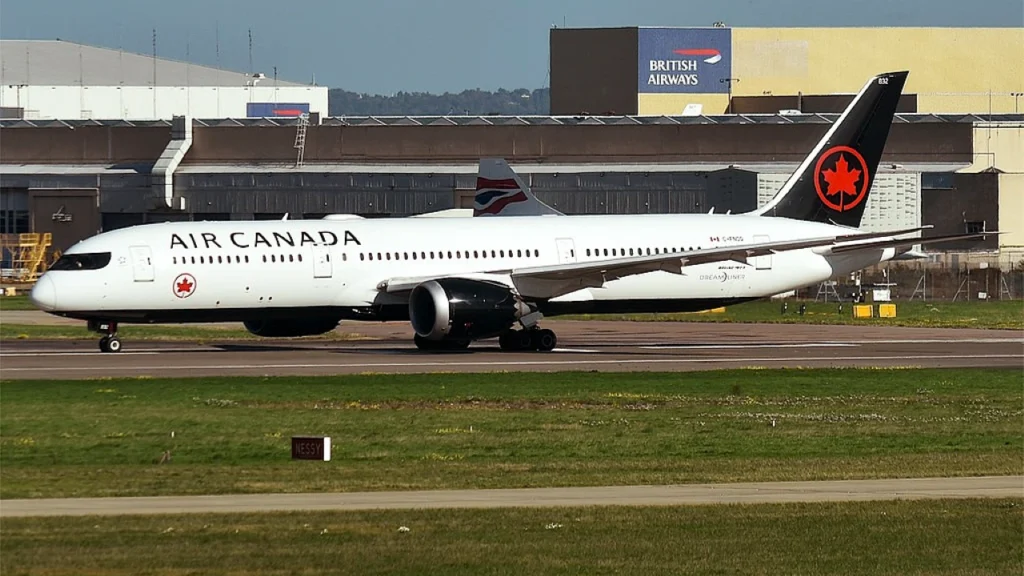
Boeing 787-9
With 32 aircraft in service, the Boeing 787-9 is Air Canada’s most abundant widebody model. Central to its international network, these aircraft serve major routes to Europe, Asia, and South America.
Their efficiency and modern amenities ensure comfort, making them a key asset for long-haul operations.
Boeing 787-10
Air Canada has 18 Boeing 787-10 units on order, with anticipated deliveries starting between 2026 and 2030. This marks the first time the airline will operate this largest variant of the Dreamliner.
These aircraft will enhance capacity for high-demand long-haul routes, while also providing improved fuel efficiency compared to older models. An order of 12 additional aircraft demonstrates Air Canada’s commitment to modernizing its fleet.

Fleet Orders and Future Outlook
Air Canada’s fleet strategy for 2025 emphasizes modernization alongside sustainability. The Airbus A220 is on track to replace older narrowbody aircraft, while the upcoming A321XLR is expected to facilitate new long-haul capabilities.
Orders for the Boeing 787-10 underscore growth prospects in international markets, while the Heart Aerospace ES-30 indicates a forward-thinking approach to sustainable regional flying.
Additionally, the transfer of all Boeing 737 MAX 8s to Air Canada Rouge by 2028 will influence the dynamics between the airline’s mainline and leisure operations. This strategy aims to distinguish premium offerings from leisure travel while optimizing fleet utilization across subsidiaries.
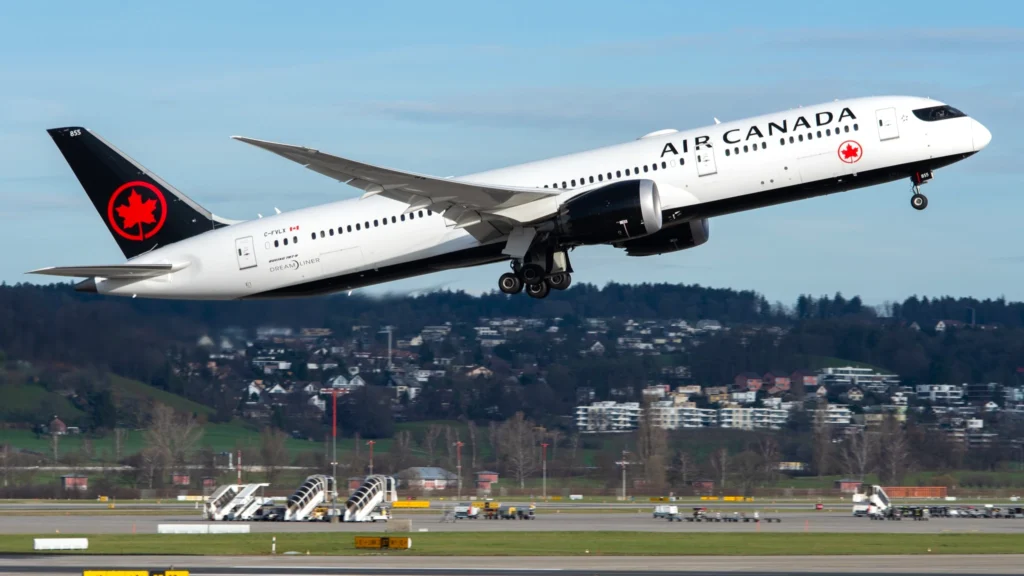
The Bottom Line
Air Canada’s Fleet 2025 exemplifies a blend of tradition and innovation, combining legacy aircraft with cutting-edge jets.
Models like the Airbus A220 and Boeing 737 MAX 8 provide essential connectivity within Canada and abroad, while the new A321XLR is poised to unlock opportunities for long-range flights.
In terms of widebody aircraft, the Boeing 777 and 787 families are foundational to international services, supplemented by the Airbus A330 on busy transatlantic and North American routes.
As Air Canada gears up for a new era of growth and efficiency, the introduction of the Boeing 787-10 and Airbus A321XLR will enhance the airline’s ability to align capacity with demand, while the ES-30 hybrid-electric order reflects a strong commitment to sustainability.
With over 100 aircraft on order, Air Canada’s fleet is about to undergo one of its most significant transformations in decades.
In a competitive market, modernization will be crucial for Air Canada to stay ahead of U.S. and international rivals.
The Air Canada Fleet 2025 not only meets operational demands today but also portrays a vision for the future that prioritizes efficiency, passenger comfort, and environmental accountability.