Top US Cities to Visit in 2025: Travelers’ Favorite Picks

This year’s rankings for the best cities in the U.S. highlight not only well-known favorites like Chicago and Charleston but also emerging hotspots where air travel and quality of life enhance their appeal to tourists.
While major urban centers continue to make headlines, it’s the mid-sized and smaller cities—well-connected by regional and budget-friendly airlines—that are transforming America’s travel scene in a post-pandemic world.
The list created by travel enthusiasts emphasizes a cultural pivot toward more immersive, slower travel experiences, aided significantly by the revival of domestic flight networks.

Best U.S. Cities to Explore in 2025
The 2025 Readers’ Choice Awards from Condé Nast Traveler are based on one of the largest travel surveys worldwide. Over half a million readers rated various cities, hotels, airlines, and airports across diverse categories, including hospitality, culture, and infrastructure.
This survey particularly reflects how traveler accessibility and sentiments intersect during this recovery phase post-COVID.
Each city’s score aggregates reader feedback on critical aspects like walkability, dining, accommodation, and perceived safety.
This year, the emphasis on “value for money” shifted results, favoring destinations that provide excellent experiences without breaking the bank.
Changing Traveler Priorities
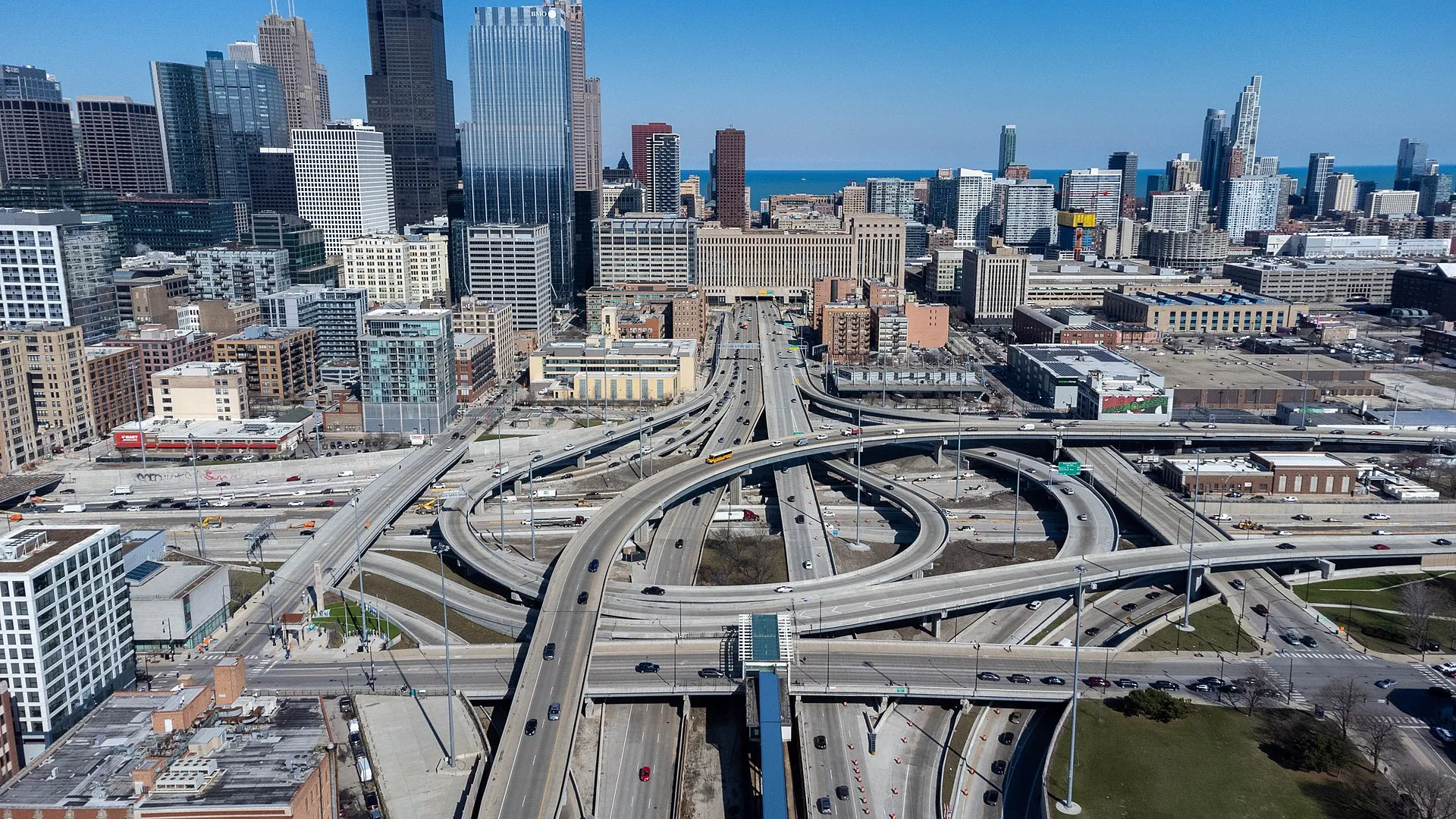
For the second consecutive year, Charleston, South Carolina, remains the Best Small U.S. City, while Chicago garnered the title of Best Large City once again. These outcomes highlight not only travelers’ loyalty but the ongoing significance of accessibility and connectivity.
Both cities enjoy robust air networks, seeing consistent flight growth fueled by Delta, American Airlines, and cost-effective carriers like Breeze Airways.
The travel landscape has undeniably shifted in tangible ways since the pandemic. Travelers now prioritize convenience and ambiance over grandiose scale.
Cities that promote walkability, local culture, and unique culinary offerings—coupled with easy flight access—are thriving, outperforming traditional travel hubs.
The rise of regional airports and enhanced point-to-point services has made it effortless to reach smaller cities without going through busy major airports.
The Rise of Mid-Sized Cities
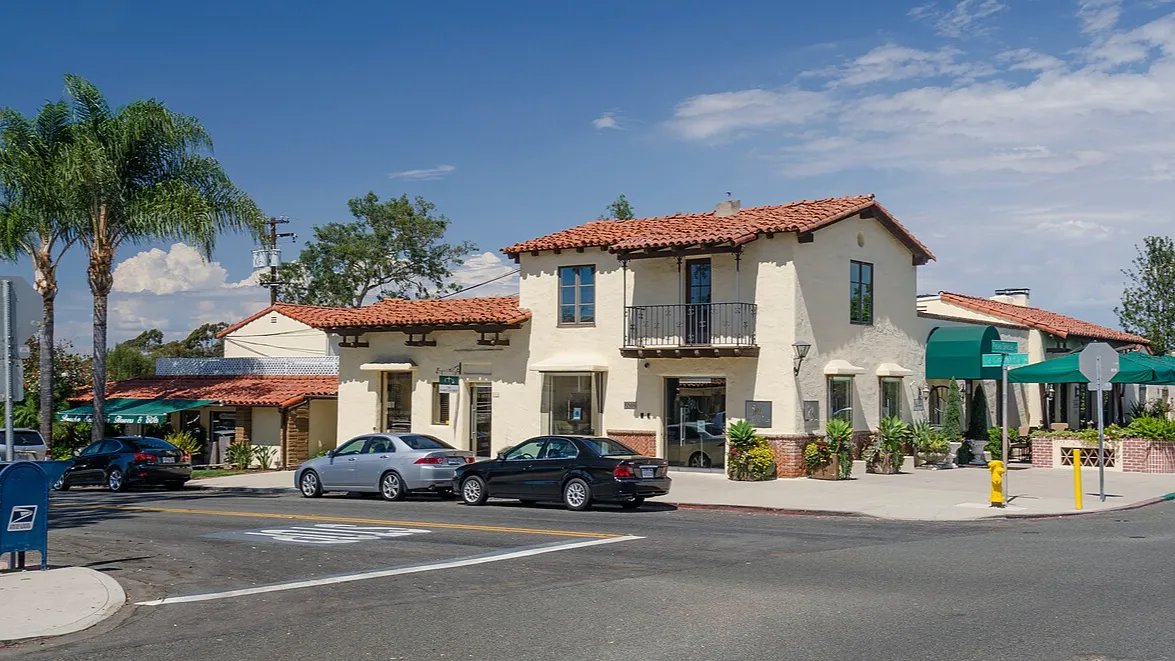
Mid-sized cities like Santa Fe, Savannah, and Asheville have shed their “hidden gem” status, becoming essential travel destinations supported by new air routes and a growing investment in hospitality.
The surge in flights to these charming secondary cities is intentional. Airlines have expanded both seasonal and year-round routes in response to the demand for authentic travel experiences.
Carriers are prioritizing flexibility and network diversity over mere hub dominance.
This evolution supports cities like San Antonio, Boulder, and Burlington, which all feature prominently among the top small cities. These locations seamlessly combine accessibility, affordability, and experience-driven offerings—exactly what travelers are seeking in 2025.

Major Hubs Keep Their Advantage
Despite the growing popularity of smaller cities, larger metropolitan areas like San Diego, Boston, and San Francisco continue to lead rankings. These cities effectively balance size and livability, offering top-notch dining, cultural institutions, and scenic beauty that attract both business and leisure travelers.
Chicago’s continued excellence as the Best Large U.S. City for six straight years underscores its ongoing evolution as a tourism hub while remaining a vital aviation center.
O’Hare International Airport serves as a pivotal hub for both United Airlines and American Airlines, further reinforcing Chicago’s significant connectivity.
San Diego also improved its ranking, thanks in part to an airport modernization initiative, enhancing its efficiency for domestic leisure travelers.
Airlines Propel Domestic Travel Growth
U.S. airlines are leading the charge in reshaping travel trends within the country.
Major carriers, including Delta, United, and Southwest, are extending their networks beyond traditional hubs, connecting mid-sized and secondary cities with point-to-point routes.
Modern, fuel-efficient aircraft, such as the Airbus A321neo and Boeing 737 MAX series, have made these new routes financially feasible.
The flexibility of these aircraft allows airlines to serve smaller markets with lower demand but higher profit margins. Consequently, cities like Charleston, Santa Fe, and Milwaukee are experiencing record-high passenger numbers.

Best U.S. Cities for 2025
Top Large Cities in the U.S. (2025)
| Rank | City | State | Score |
|---|---|---|---|
| 1 | Chicago | Illinois | 89.6 |
| 2 | San Diego | California | 89.3 |
| 3 | San Francisco | California | 88.4 |
| 4 | Boston | Massachusetts | 87.8 |
| 5 | New Orleans | Louisiana | 87.5 |
| 6 | Washington, D.C. | District of Columbia | 87.2 |
| 7 | New York City | New York | 86.8 |
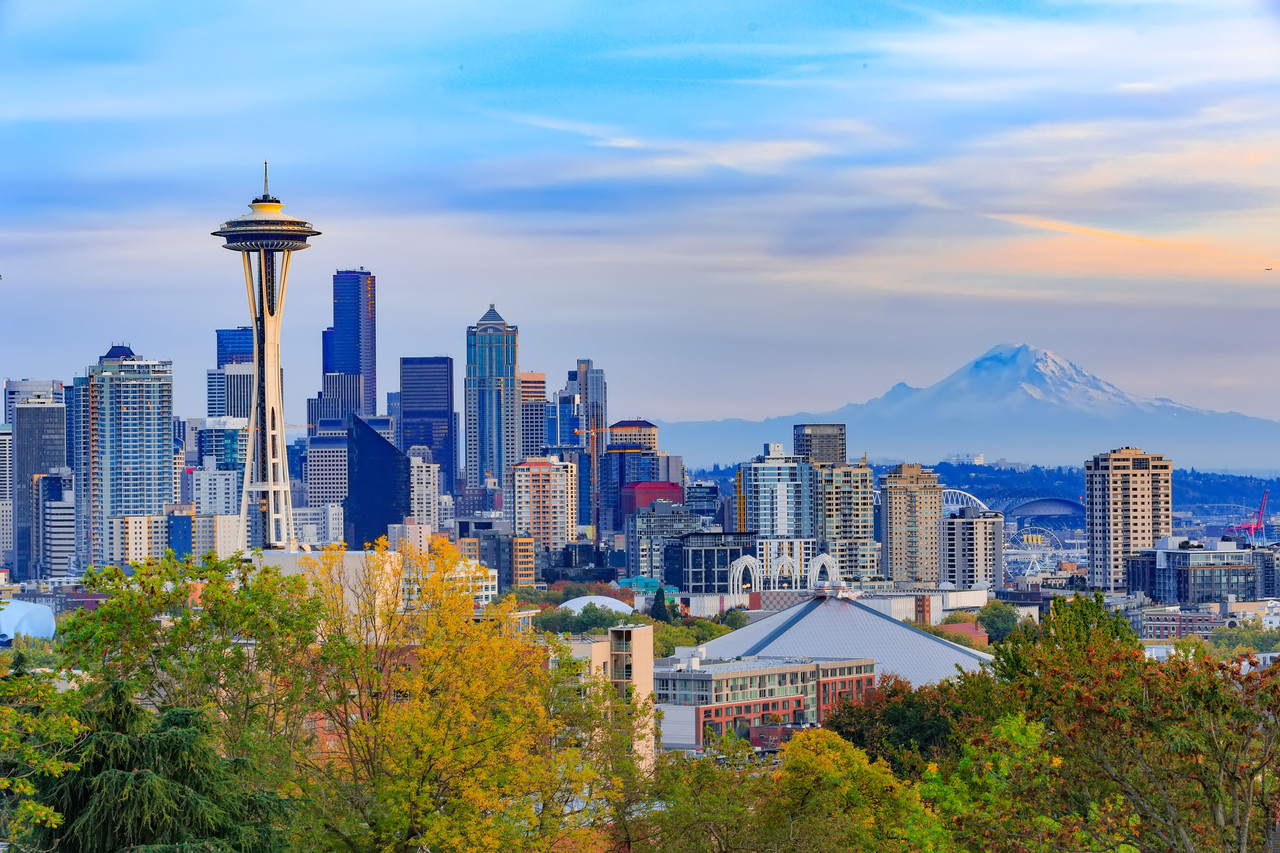
| 8 | Seattle | Washington | 86.2 |
| 9 | Miami | Florida | 85.7 |
| 10 | Austin | Texas | 85.3 |
Top Small Cities in the U.S. (2025)
| Rank | City | State | Score |
|---|---|---|---|
| 1 | Charleston | South Carolina | 91.2 |
| 2 | Santa Fe | New Mexico | 90.6 |
| 3 | Savannah | Georgia | 90.3 |
| 4 | Aspen | Colorado | 89.9 |
| 5 | Alexandria | Virginia | 89.4 |
| 6 | Greenville | South Carolina | 88.9 |
| 7 | Asheville | North Carolina | 88.5 |
| 8 | Key West | Florida | 88.3 |
| 9 | Burlington | Vermont | 87.9 |
| 10 | Boulder | Colorado | 87.5 |
Final Thoughts
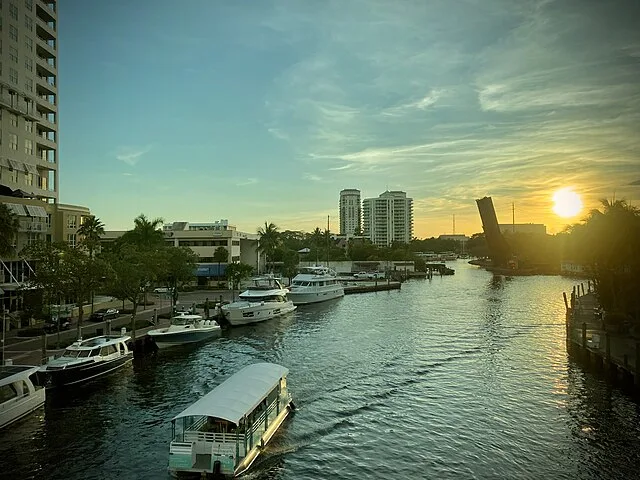
The 2025 city rankings from Condé Nast Traveler provide insights beyond tourist preferences—they illustrate the changing landscape of travel across the United States.
The impressive showing of smaller and mid-sized cities indicates that travelers are increasingly seeking connection, authenticity, and charm rather than simply iconic landmarks.
As the year progresses, the trend becomes clear: travelers are redefining their notions of the “best city,” emphasizing atmosphere and accessibility over sheer size and prestige.
What are your thoughts on the rise of smaller cities as travel destinations?