Record-Breaking Day: World’s Busiest Single-Runway Airport Hits 1,036 Flights

MUMBAI- Chhatrapati Shivaji Maharaj International Airport (CSMIA, IATA Code BOM), renowned as the world’s busiest single-runway airport, achieved a remarkable operational milestone as festive travel surged across India.
On 21 November 2025, the airport recorded a staggering 1,036 Air Traffic Movements (ATMs) within 24 hours, eclipsing its previous high established in 2023. This record occurred on a day of heightened passenger traffic, with numerous domestic and international travelers passing through Mumbai (BOM) in nearly record numbers.
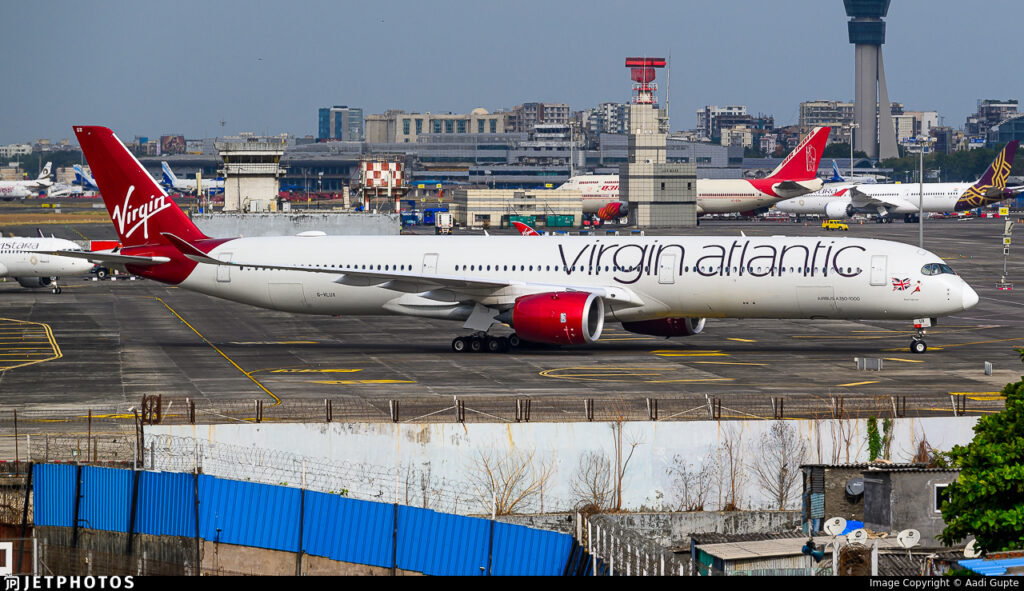
World’s Busiest Single-Runway Airport Sets New Record
This peak in ATM at CSMIA highlights a sustained demand across both domestic and international travel sectors.
Traffic increased significantly due to consistent growth along metro routes and high passenger loads on major international connections.
Passenger Traffic and Flight Operations
On November 21, 2025, CSMIA recorded 1,70,488 passenger movements. Among these, 1,21,527 were domestic travelers, while 48,961 opted for international flights. This total approached the airport’s highest single-day traffic of 1,70,516 reported on January 11, 2025.
Flight operations were robust throughout the day, with 86,443 arrivals and 84,045 departures. The airport effectively managed 1,036 ATMs, which included 755 domestic flights and 281 international flights, translating to approximately 520 arrivals and 516 departures.
Domestic traffic was driven by high demand for routes such as Delhi (DEL), Bengaluru (BLR), Ahmedabad (AMD), Hyderabad (HYD), and Kolkata (CCU).
International travel was strongest to destinations including Dubai (DXB), Abu Dhabi (AUH), London Heathrow (LHR), Doha (DOH), and Jeddah (JED).
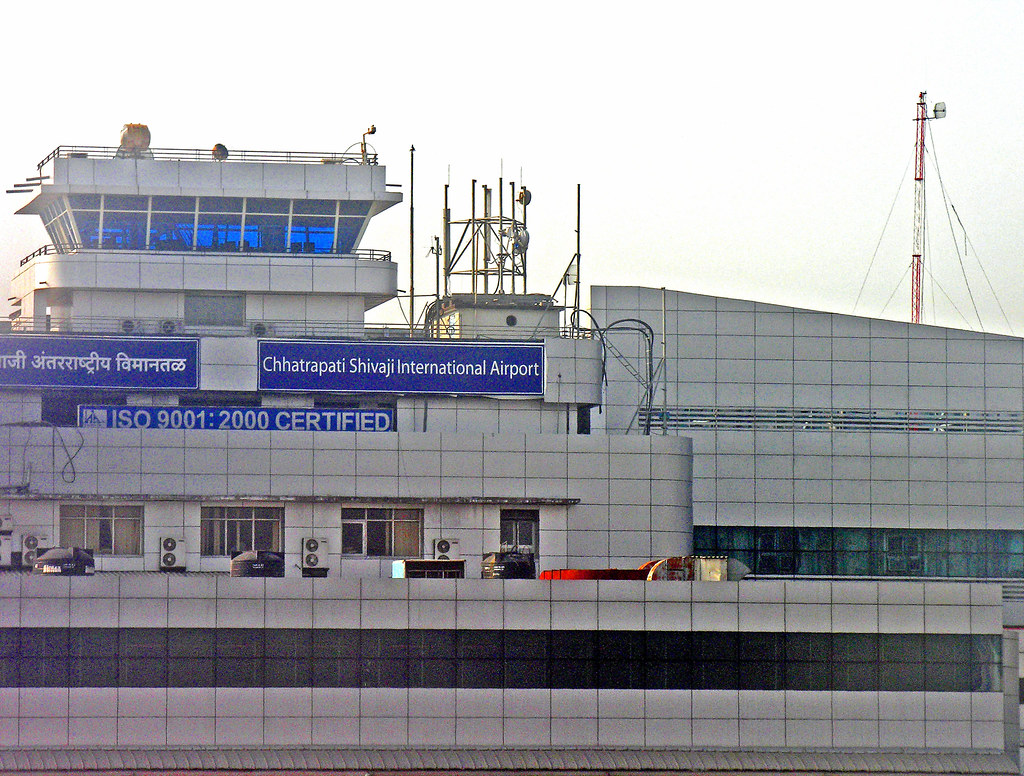
Enhancing Efficiency through Technology and Coordination
CSMIA has enhanced passenger movement with expanded Self Baggage Drop units, self check-in kiosks, and greater usage of DigiYatra and FTI TTP. These advancements have helped minimize wait times and streamline airport operations.
The upgraded Airport Operations Control Centre has bolstered operational capabilities by enabling real-time monitoring and coordination among airport stakeholders, helping maintain punctuality and passenger convenience even during peak traffic.
A Milestone Supported by Scalable Systems
The recent ATM record underscores CSMIA’s capacity to manage increasing volumes through structured processes, digital tools, and a steadfast commitment to safety and punctual operations.
This performance solidifies the airport’s position as one of India’s premier aviation hubs for both domestic and international connectivity.
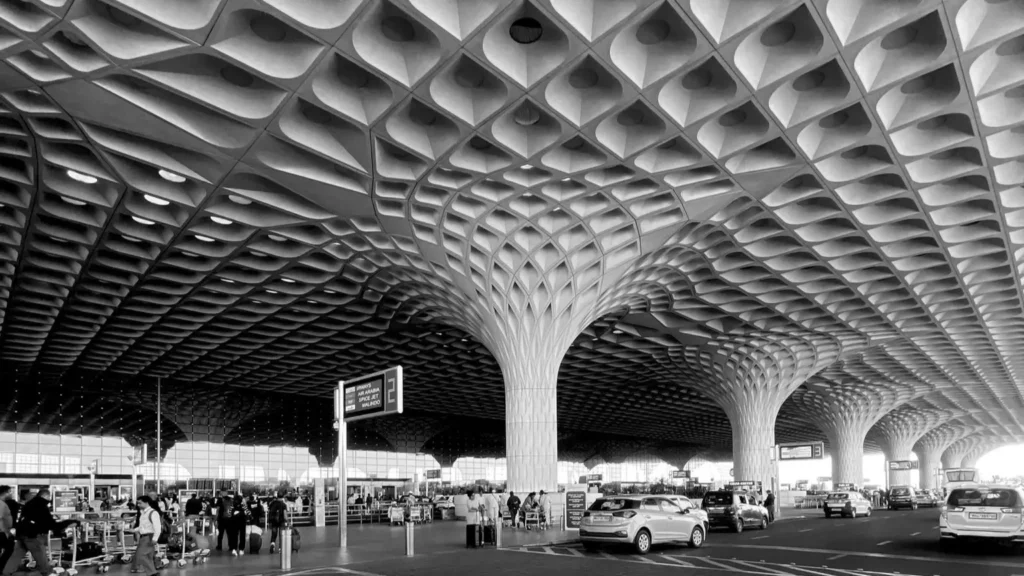
About Mumbai Airport
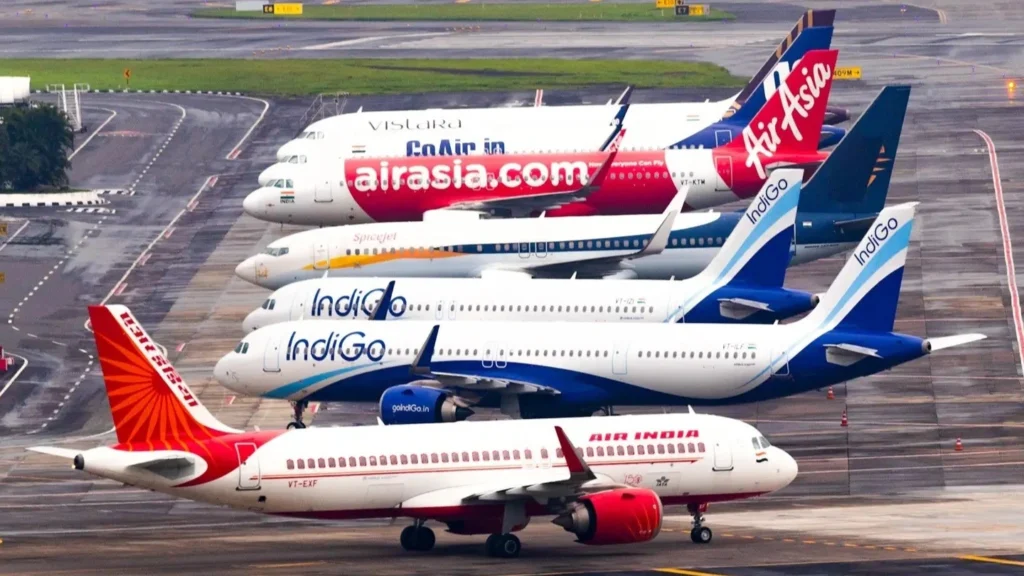
Chhatrapati Shivaji Maharaj International Airport is located at the heart of India’s commercial landscape and serves as a significant entry point for global travelers. Major airlines like Air India, Vistara, and IndiGo maintain extensive networks from this airport.
First-time visitors to Mumbai typically commence their Indian journey at this location. Familiarizing oneself with the terminals, transport options, and essential details is crucial for a smooth travel experience.
An Overview of Mumbai’s Primary International Gateway
Mumbai Airport (BOM) ranks as the second busiest airport in India, just after Delhi. It accommodates over 45 million passengers annually and acts as a crucial hub for Air India, Vistara, and IndiGo. Named after the historic leader Chhatrapati Shivaji Maharaj, the airport features two terminals: Terminal 1 handles domestic flights, while Terminal 2 serves both international and domestic routes, showcasing a large art collection and peacock-inspired architecture.
The airport is equipped to support private jets and non-scheduled traffic, with two runways managing heavy flight operations and catering to widebody aircraft.
Key Passenger Facilities
Facilities at the airport include complimentary Wi-Fi, charging stations, lounges, hotels, spa services, and an expansive duty-free zone.
There are ATMs, currency exchanges, and GST refund counters to address financial requirements. Dedicated areas for children and specialized assistance for travelers with reduced mobility are also available.
Transport Options to the City Center
Prepaid Taxi
Prepaid taxis offer a convenient option for newcomers. Counters within terminals provide fixed-rate fares to prevent overcharging, generally ranging from INR 500 to 600. Metered taxis typically cost around INR 625 to 700.
Ride-Hailing Apps
Services like Uber and Ola facilitate app-based pickups from both terminals, allowing travelers to see fares before booking for effective planning.
Public Bus
City buses are the most economical choice but might be challenging for those unfamiliar with the area. Routes 312, 321, and 308 connect terminals to nearby suburban rail stations. Fares start at about 10 INR for non-air-conditioned buses, while air-conditioned options begin at around 13 INR, depending on the distance.
Train
Rail travel provides a quick option once travelers reach either Vile Parle or Andheri East stations, easily accessible from the airport via a short taxi or bus ride.
Major Flight Routes
Mumbai offers connections to key Indian cities such as Delhi (DEL), Bengaluru (BLR), Kolkata (CCU), and Chennai (MAA). International destinations include Dubai (DXB), Singapore (SIN), London (LHR), Doha (DOH), Bangkok (BKK), and Frankfurt (FRA).
Practical Tips for Smooth Travel
Passengers transferring between Terminal 1 and Terminal 2 should allocate at least 30 to 45 minutes. International travelers are advised to arrive 2.5 to 3 hours prior to departure. Ensure to have printed tickets, passports, and visas accessible during the initial security check.
Security regulations are stringent, so it’s essential to keep permitted items convenient and adhere to all guidelines.
Mumbai Airport remains one of the country’s vital gateways, blending efficiency, art, and cultural expression. Familiarizing yourself with its layout and services can greatly enhance your travel experience.
What have been your experiences at Mumbai Airport? Let us know!