Flydubai Delays Flight to Russia by 2 Hours Due to Drunk Passenger Arrest

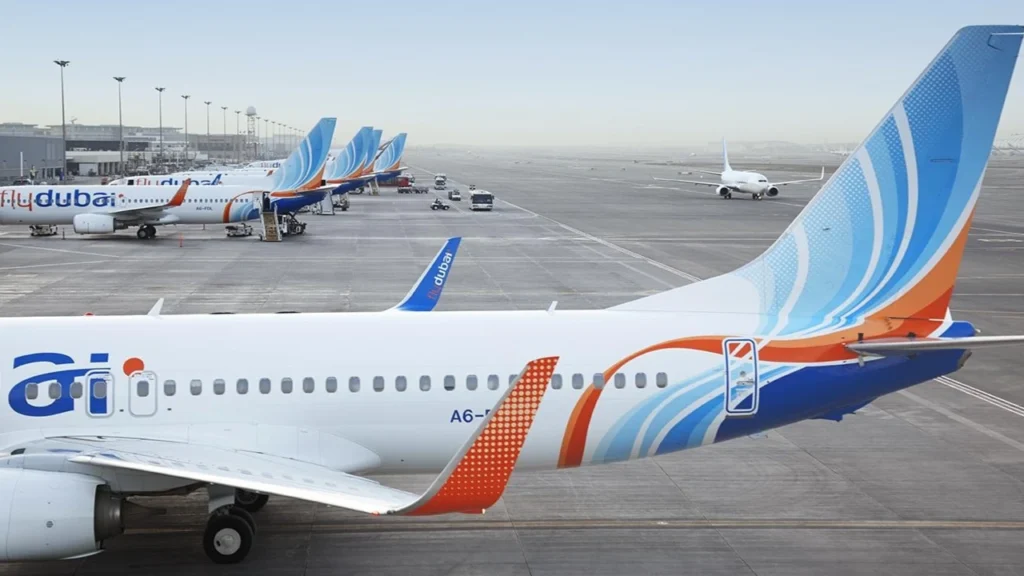
DUBAI- Recently, a flight from Dubai to Moscow operated by flydubai encountered a two-hour delay due to a disruptive passenger. An intoxicated Russian woman caused a scene right before the aircraft was set to take off from Dubai Airport (DXB), disrupting key safety procedures.
As the cabin prepared for departure, the passenger began shouting for more alcohol, alarming those nearby and hindering the crew’s ability to complete essential final checks.
flydubai Flight Disruption
The events unfolded just before the flight was to take off. Passengers were seated, and all necessary checks were completed.
However, the atmosphere changed drastically when the intoxicated woman began behaving erratically, yelling at crew members and insisting on more alcohol. Witnesses noted her escalating behavior, including confrontations with other passengers and inappropriate interactions.
Despite the crew’s efforts to control the situation, her behavior disrupted safety protocols, as reported by various sources.
Recognizing the potential danger, the flight captain halted the departure process and requested assistance from local authorities. Police arrived shortly thereafter to address the situation.
After the officers attempted to communicate with the unruly passenger without success, they ultimately escorted her off the plane. The crew then conducted mandatory safety checks before preparing for another departure attempt.
Operational Fallout from the Incident
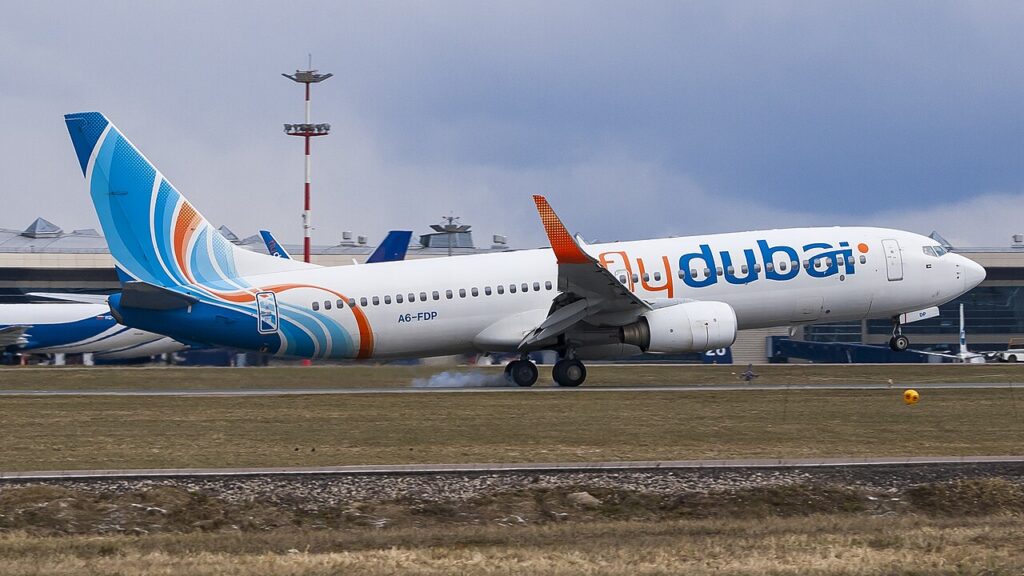
This disruption led to a two-hour delay, affecting all passengers on board. Flydubai clarified that ensuring the safety of both passengers and crew was paramount, which necessitated the intervention.
Preventing a potential escalation in the air was essential, and the resulting delay followed the necessary protocols once the disruptive individual was removed.
Flydubai emphasized its commitment to safety standards that dictate how crews must respond to threats against cabin security. These protocols include halting departures, notifying authorities, and conducting thorough post-incident inspections.
Related Incident
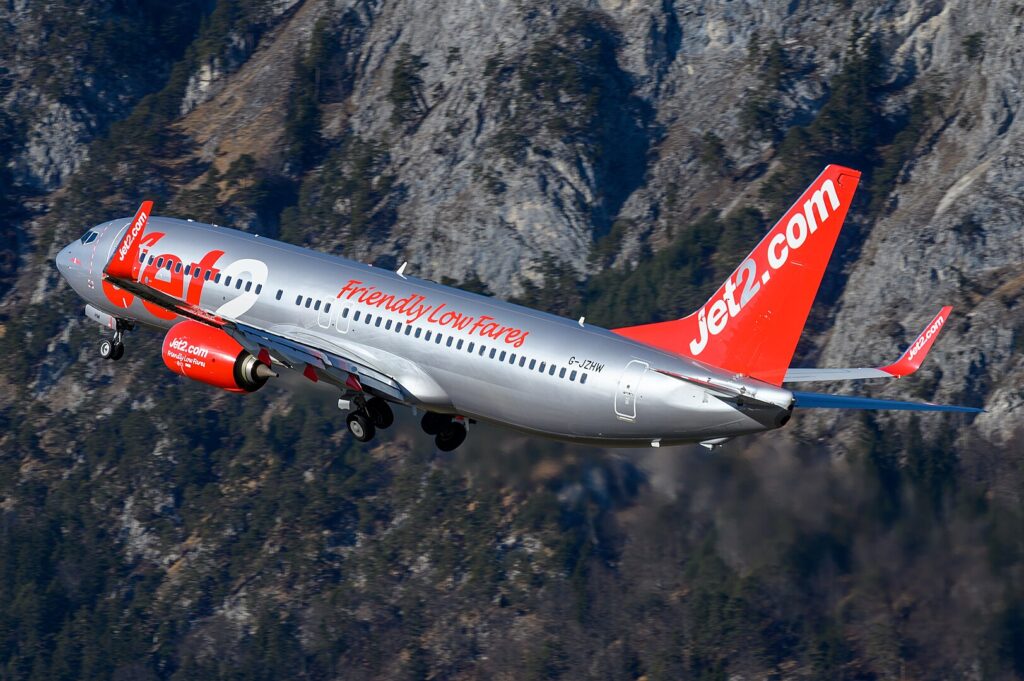
A similar disruption occurred on a Jet2 flight from Manchester to Ibiza on September 13, 2025, when a drunken passenger was removed after refusing to fasten his seatbelt. This incident caused significant delays and prompted police intervention.
The intoxicated passenger ignored safety commands during boarding, which led to a halt in the departure process while authorities were summoned. Following their arrival, police removed the man from the aircraft, resulting in an extended delay.
Disruptive behavior among travelers heading to entertainment-based destinations like Ibiza isn’t new and has been noted on flights from various airlines, including Jet2, Ryanair, and easyJet.
Although there was no diversion during this incident, the delay impacted the airline’s schedule and affected the crew’s duty times.
As a growing trend, European airlines are seeking to recover costs associated with unruly passengers whose actions lead to delays or diversions.
Regulatory Overview and Liability Exemptions
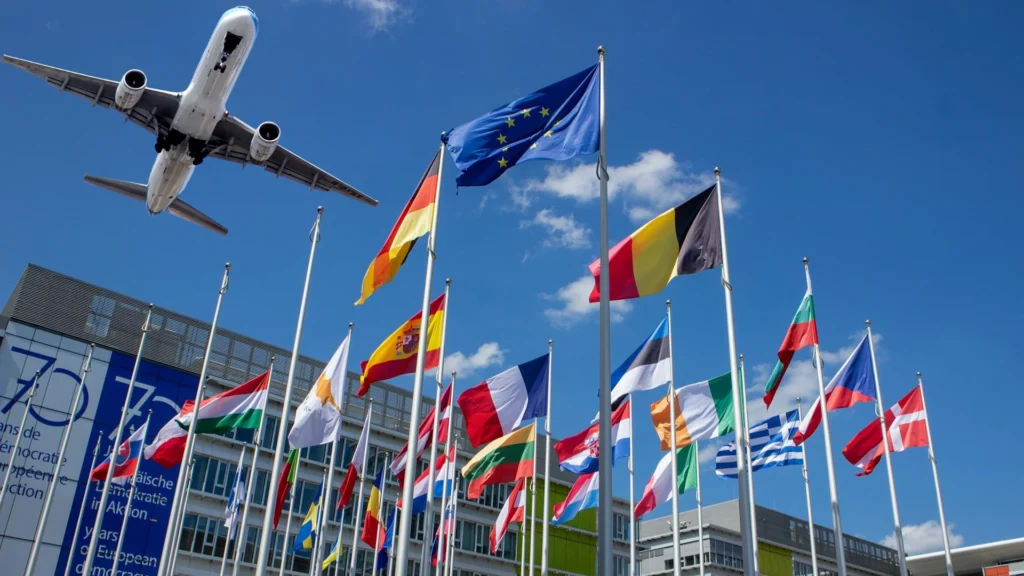
Under EU261 rules, airlines are not liable for delays caused by passenger misconduct, as these incidents are categorized as extraordinary circumstances.
However, airlines retain obligations for duty-of-care if disruptions cause extended delays, although this incident did not necessitate overnight accommodations.
Authorities continue to explore ways to enhance responses to in-flight alcohol-related incidents, focusing on better screening and stricter controls at airports.
Concerns About Alcohol and Passenger Safety
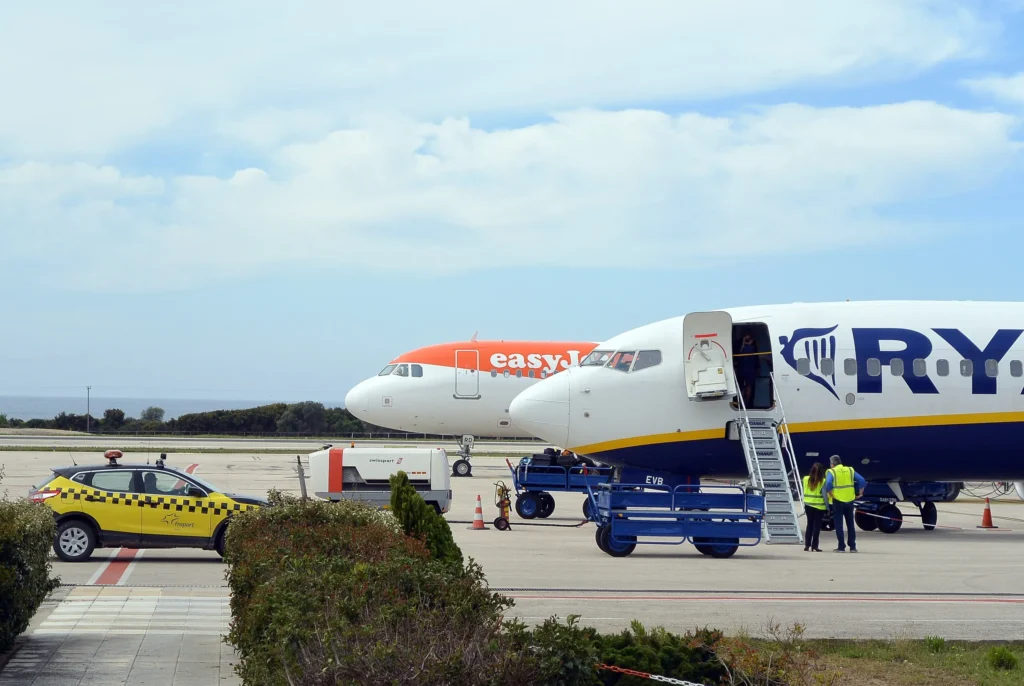
Airlines, including Ryanair, have advocated for restrictions on alcohol sales at airports to lessen disruptive incidents before boarding. Critics argue that airlines should enhance pre-boarding assessments to identify intoxicated people proactively.
The incident on the Jet2 flight underscores the safety challenges and operational pressures stemming from unruly passengers, highlighting the need for collaboration among airlines, regulatory bodies, and airport management.
What are your thoughts on increasing safety measures to curb such disruptive behavior in the air?