Emirates Expands Service to a Dynamic City Rich in Culture and Lifestyle

DUBAI- Emirates (EK) remains steadfast in its pursuit of direct access to Berlin (BER). The airline argues that establishing a daily route between Dubai (DXB) and the German capital could significantly boost eastern Germany’s economy through job creation, increased tourism, and enhanced business mobility.
Despite presenting clear advantages for the region, Emirates has been denied traffic rights to Berlin for over thirty years.
Recently, Etihad Airways (EY) and Germany’s Condor (DE) formed a partnership aimed at enhancing connections from Abu Dhabi (AUH) to Berlin, offering another long-haul option for German travelers.
According to a report by The National, this collaboration is set to cater to demand across critical markets and strengthen aviation ties between the two nations.
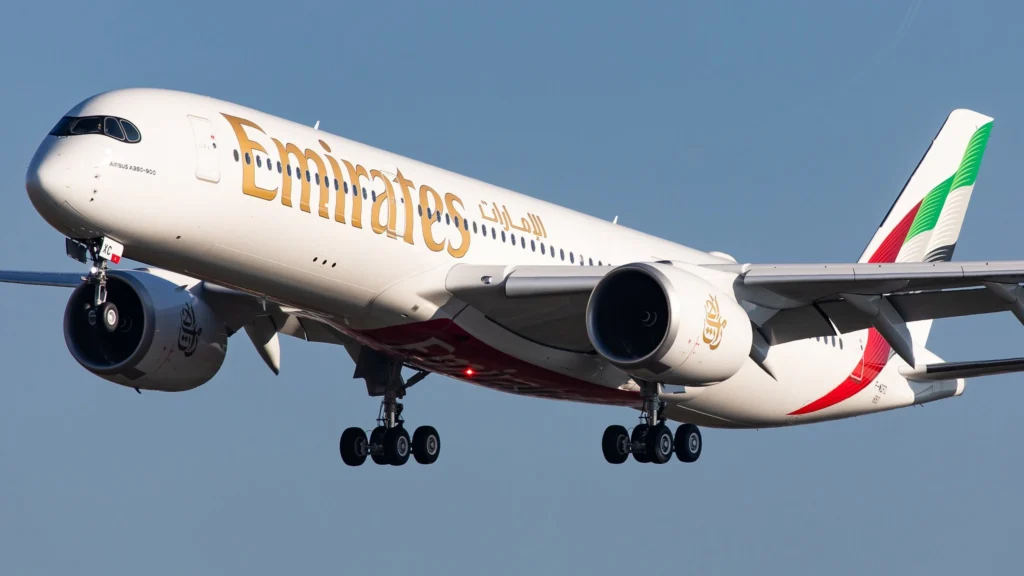
Emirates Advocates for Berlin Services
Emirates (EK) highlighted that Berlin Brandenburg Airport currently lacks adequate long-haul connections, with only a few intercontinental routes available.
A study by the German Aerospace Centre suggests that a daily Emirates flight to Berlin could create approximately 500 jobs, draw in 140,000 additional passengers annually, and lead to 55,000 more overnight stays.
The airline insists that granting traffic rights would be a straightforward, cost-neutral measure to support the economic recovery of eastern Germany.
Currently, Emirates operates flights to Frankfurt, Munich, Hamburg, and Düsseldorf. However, as per a 1994 bilateral agreement, adding Berlin would necessitate dropping one of these existing destinations.
Since launching its Frankfurt flights in 1987, Emirates has gradually expanded in Germany, yet access to Berlin remains a challenge.
Previously, Lufthansa (LH) expressed concerns that Emirates’ entry into Berlin might disrupt slot allocation fairness.
In response, Emirates pointed out that western Germany enjoys around 180 long-haul departures daily, while Berlin and eastern states remain under-served. This historical imbalance continues to hinder the region’s economic growth.
Passenger traffic at Berlin Brandenburg Airport hit 25.47 million in 2024, reflecting a 10.4 percent rise from the previous year. Nonetheless, industry leaders argue that the airport still lacks sufficient global connectivity.
According to Robert Ruckel, vice president of the Berlin Chamber of Commerce and Industry, the city’s long-haul access resembles that of a small provincial town, limiting opportunities for trade fairs, tourism, and business settlements.

Competition, Connectivity, and Network Advantages
Emirates observed that both Eurowings and Condor offer seasonal narrow-body flights between Berlin and Dubai, but these services fail to meet the overall demand for the route.
Condor’s CEO, Peter Gerber, remarked that competition in the aviation sector helps keep prices down, while a lack of it can inflate costs.
The airline highlighted the significance of its extensive global network, which includes 83 onward destinations from Dubai: 42 in Asia, 22 in Africa, 12 in the Middle East, and 7 in Australasia.
Crucially, 58 of these destinations are not served by Lufthansa from Frankfurt or Munich, emphasizing how Emirates’ offerings could complement existing travel options for German passengers.
Berlin Brandenburg Airport, which opened in October 2020 after numerous delays, hosts several Middle Eastern airlines, including Qatar Airways, Turkish Airlines, Egypt Air, Royal Jordanian, and flynas.
Despite these existing services, there are ongoing calls for broader market access and more Open Skies agreements that would benefit Germany’s export-driven economy.
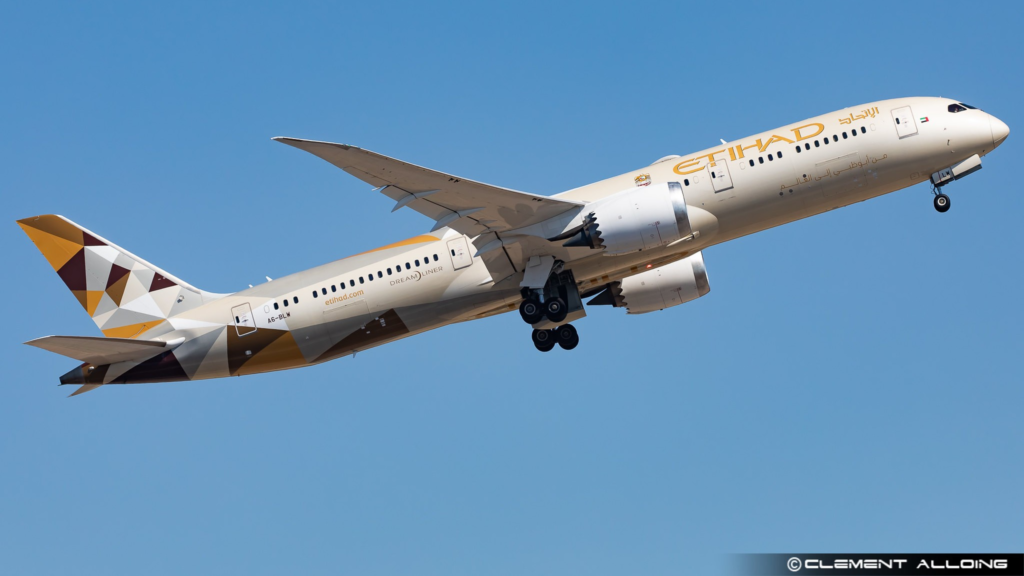
Etihad and Condor Strengthen Abu Dhabi Links
Etihad Airways (EY) and Condor (DE) have formed a strategic alliance aimed at improving direct connections between Germany and Abu Dhabi (AUH).
The airline currently flies to Frankfurt (FRA), Munich (MUC), and Düsseldorf (DUS). The new codeshare agreement will see Condor introducing daily flights from Frankfurt to Abu Dhabi in May 2026, followed by Berlin to Abu Dhabi services in June 2026.
Etihad emphasizes the importance of the German market, noting that adding Berlin will create a direct link between the capitals, meeting the increasing demand for travel.
This new service will broaden travel opportunities within Etihad’s vast network, covering regions including the Middle East, Asia, Africa, and Australia.
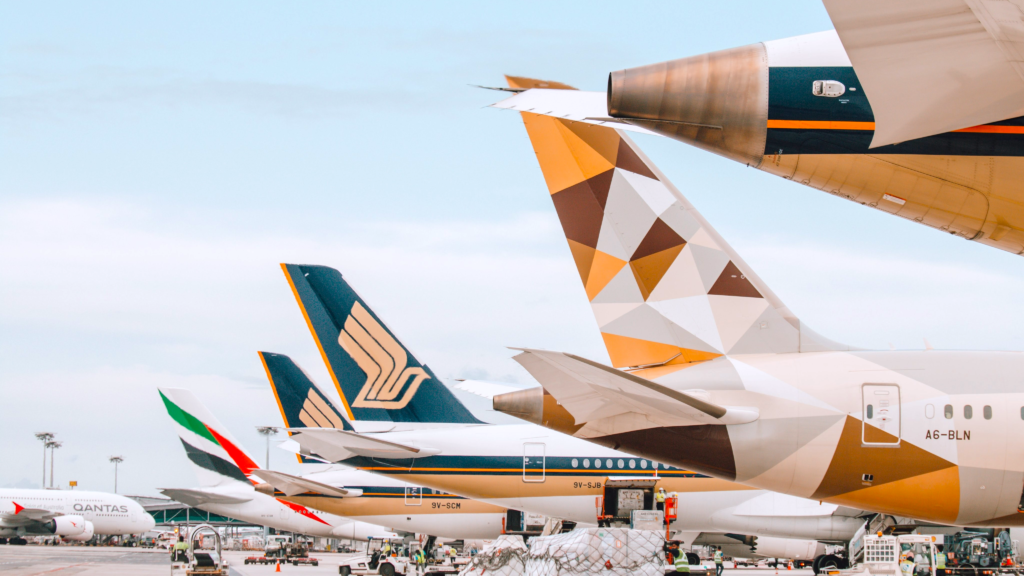
Regional Equity and Its Implications
Germany’s aviation discourse reveals persistent regional disparities. While western states enjoy ample long-haul connectivity, eastern Germany is left with minimal intercontinental service.
Industry experts argue that fair distribution of long-haul flight rights is crucial for fostering economic growth, trade expansion, and competitiveness.
Both Emirates and various German officials assert that enhancing access for long-haul airlines can elevate Berlin’s international standing, attract investments, and satisfy the evolving needs of global travelers and businesses.
What are your thoughts on the implications of expanded airline services for cities like Berlin?