Vietnam Grounds 28 Aircraft Amid Global Engine Crisis Impacting Airlines

Challenges in Vietnam’s Aviation Sector
HANOI- The aviation industry in Vietnam is facing significant operational challenges due to a shortage of aircraft engines. This situation has resulted in several planes being temporarily grounded, directly linked to global repairs and recalls pertaining to modern aircraft engines.
Despite having fewer aircraft available, Vietnamese airlines remain active, maintaining extensive domestic and international routes. This resilience is aided by ongoing growth in both passenger and cargo movements.
Key Domestic Connections
Vietnam Airlines and several other local carriers provide essential services between Hà Nội (HAN) and Ho Chi Minh City (SGN), the nation’s major aviation hubs. These cities are pivotal for nearly 50 domestic routes that connect travelers to 20 airports across Vietnam.
Grounded Aircraft Statistics
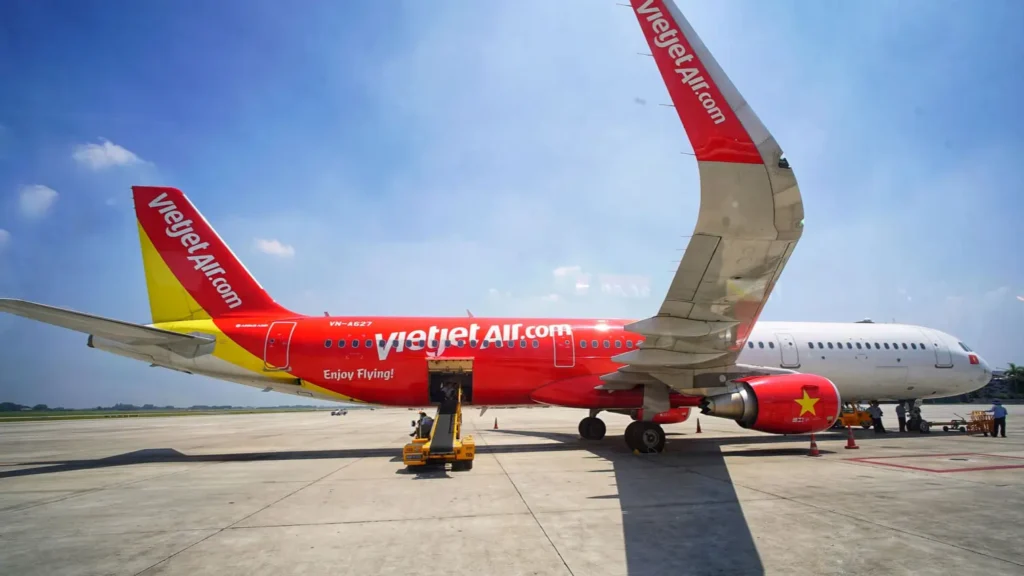
Vietnam currently has 28 commercial aircraft grounded, primarily due to engine shortages. Tạ Minh Trọng, head of the Flight Safety Standards Division at the Civil Aviation Authority of Vietnam (CAAV), revealed that this includes 24 Airbus A321neo, 3 Airbus A350, and one Airbus A320ceo.
This grounding represents 13.1 percent of the nation’s total commercial fleet, which consists of 213 operational aircraft. Compared to the previous year, this number reflects a steady improvement in overall fleet availability.
The root cause of these groundings stems from global maintenance requirements enforced by engine manufacturers, leading to prolonged maintenance schedules and reduced numbers of available engines. This has caused disruptions not just locally but across the global airline landscape.
By December 2025, Vietnam will have a total of 262 registered aircraft, including 235 fixed-wing planes and 27 helicopters. Out of this, 213 are actively employed in commercial aviation, while the remainder serves general aviation purposes.
Operational Overview
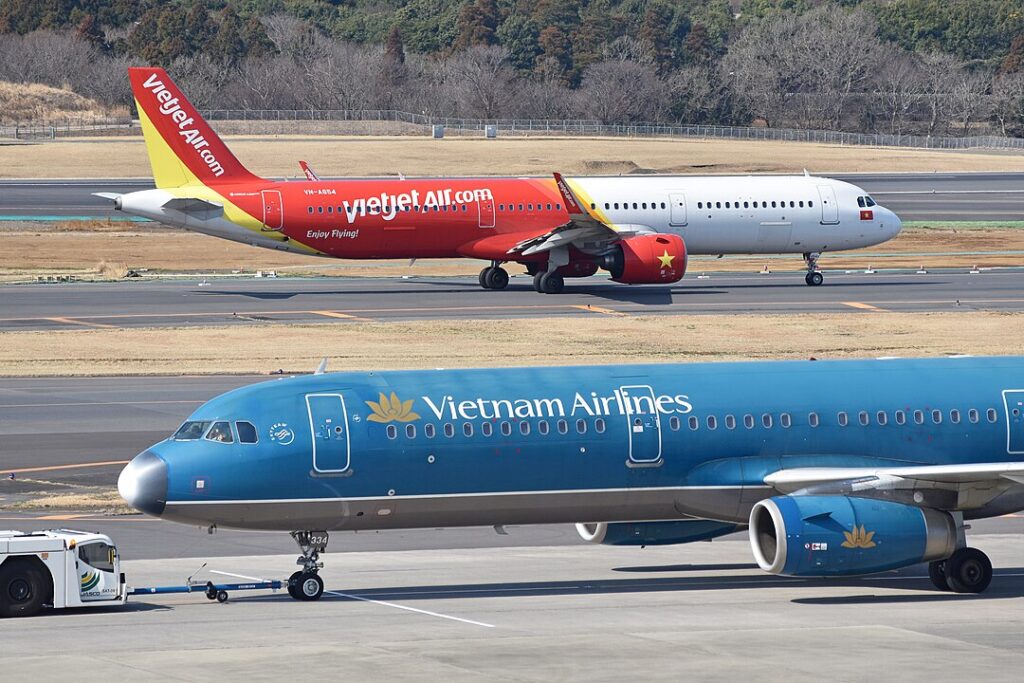
Vietnamese airlines also maintain strong domestic operations, currently managing nearly 50 routes. These routes connect both Hanoi and Ho Chi Minh City with 20 other airports throughout the country, forming a robust air transport framework.
On the international stage, local airlines have established 113 routes to 24 different countries and territories. Meanwhile, foreign carriers connect to Vietnam through 142 regular international routes across 30 countries and territories, enhancing the nation’s global aviation network.
Future Outlook and Passenger Growth
In 2025, Vietnam is expected to see approximately 46.9 million international air passengers, indicating a 13.3 percent growth from the previous year. Airlines in Vietnam reported 19.4 million international passengers transported, representing a 5.2 percent increase and accounting for 41.4 percent of total international traffic.
Domestic travel has also surged, with airlines carrying around 36.6 million domestic passengers, up 7.5 percent year-on-year. Tạ Minh Trọng noted that overall, passenger volume is projected to rise by 6.7 percent, while cargo volume may increase by 4.6 percent compared to the previous year.
Looking ahead, the Civil Aviation Authority of Vietnam aims for the aviation sector to achieve 95 million passengers and 1.6 million tonnes of cargo by 2026.
What are your thoughts on the challenges faced by Vietnam’s aviation sector?