Emirates Launches Its Briefest A380 Journey Yet

DUBAI- Emirates (EK) is set to launch its shortest-ever Airbus A380 flight this month, linking Dubai (DXB) with Madinah (MED) to meet a surge in Umrah travel demand. This 2-hour and 30-minute journey represents a rare application of the massive 4-engine superjumbo for regional routes.
This unique service highlights the overall winter growth at Dubai International Airport (DXB) and Dubai World Central (DWC), driven by increasing passenger volumes from Saudi Arabia, Europe, and other regions, prompting airlines to deploy larger aircraft and boost flight frequencies.
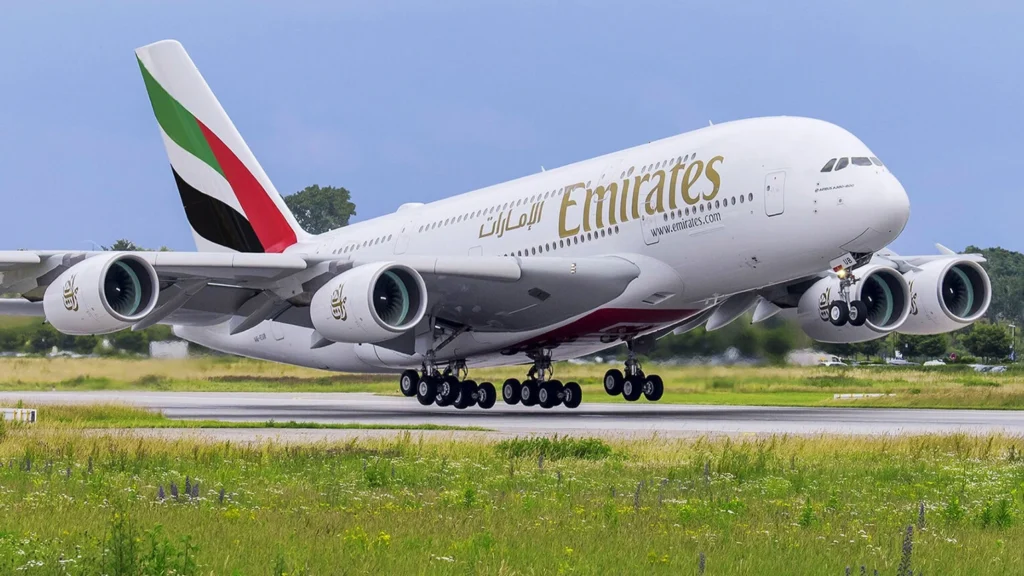
Shortest A380 Emirates Route
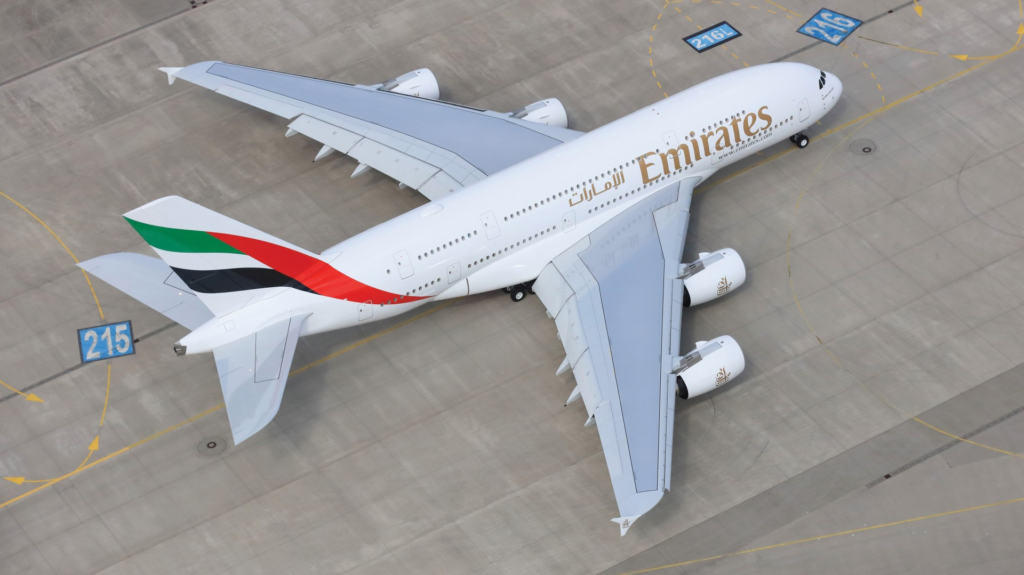
On December 25, Emirates will operate the Airbus A380 on the Dubai to Madinah route, marking it as the airline’s most concise A380 service in block time across its global network for this month. Aviation data indicates the flight duration will approximately be 150 minutes.
The aircraft will be equipped with a high-density, 2-class configuration that accommodates 615 passengers, taking over from the usual Boeing 777-300ER, which features 421 seats and lacks a first-class cabin. This capacity increase is a response to an unusually high demand from a sizeable Umrah travel group, leading Emirates to use the A380 despite the flight’s short distance.
Gulf News reports that this operation exemplifies the airline’s agility in adjusting capacity when faced with increased demand.
Historically, Emirates has only operated the A380 to Madinah on a few occasions, with records showing one flight in 2017, two in 2019, and two in 2025. Furthermore, the airline has never scheduled an A380 flight to Madinah in December, making this upcoming service a significant milestone.
This service reflects the typical role of the A380 in long-haul international journeys rather than short regional routes.
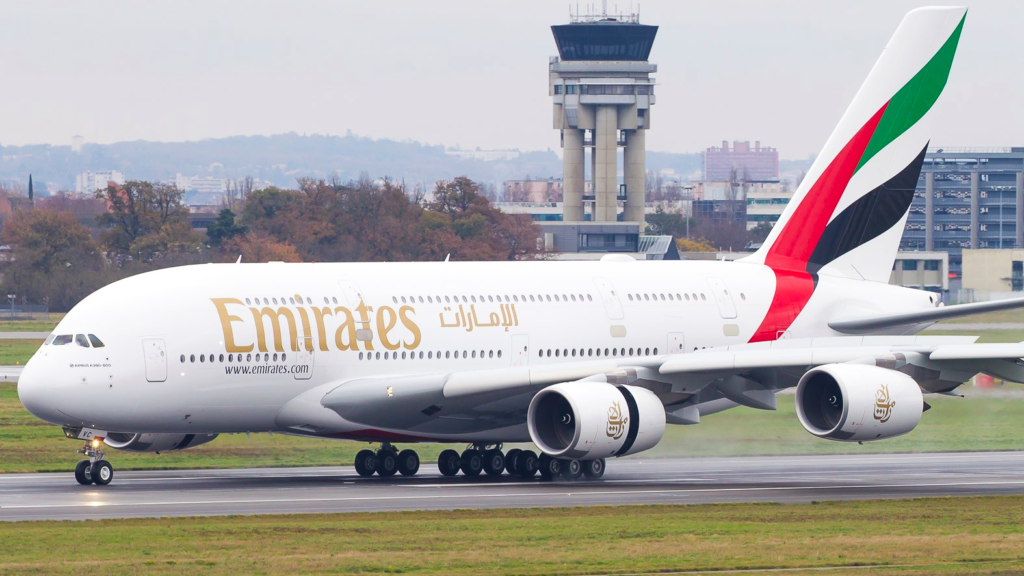
Dubai to Madinah Flight
A glance at Emirates’ network indicates that the Dubai–Madinah flight duration is shorter than all other A380 routes. The next quickest A380 flights include Jeddah–Dubai at around 2 hours and 45 minutes, Amman–Dubai at 2 hours and 55 minutes, Dubai–Mumbai at about 3 hours and 5 minutes, and Cairo–Dubai at roughly 3 hours and 15 minutes.
Emirates operates the world’s largest fleet of Airbus A380s, with layouts ranging from four-class configurations with 468 seats to high-density two-class setups that can take up to 615 passengers.
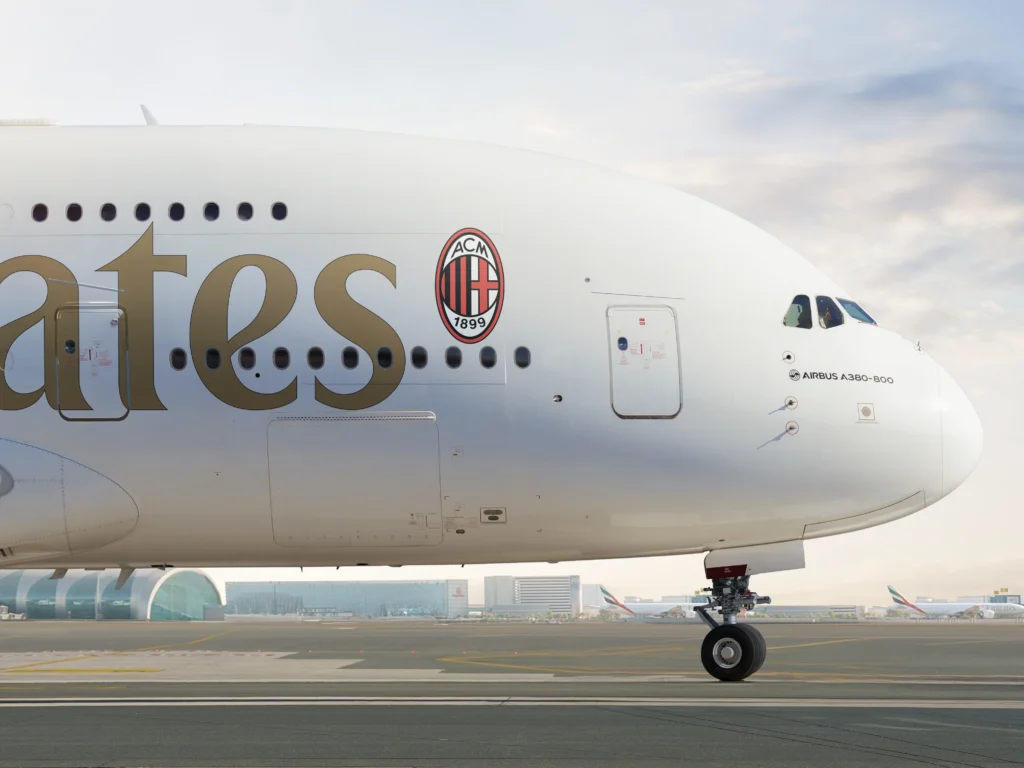
Aircraft Arrive for Dubai’s Winter Season
This short-haul A380 deployment aligns with an overall seasonal capacity increase at Dubai. Various European airlines are rolling out larger aircraft and more flights as demand picks up for leisure, business, and event travel.
Virgin Atlantic has upgraded its service to Dubai using the Airbus A350-1000, enhancing seat capacity by 52 percent. British Airways also resumed A380 flights between London Heathrow and Dubai (DXB), while German carrier Eurowings operates daily flights from Stuttgart to DXB and three weekly services from Düsseldorf to DWC, along with increased frequencies from Berlin, Cologne, and Hannover.
Air France will expand its service, offering up to 18 weekly flights between Dubai and Paris Charles de Gaulle from November 25 through March 2026. Laila El Mansouri, Country Manager UAE at Air France-KLM, noted that these additional flights enhance connectivity while providing the airline’s renowned onboard experience.
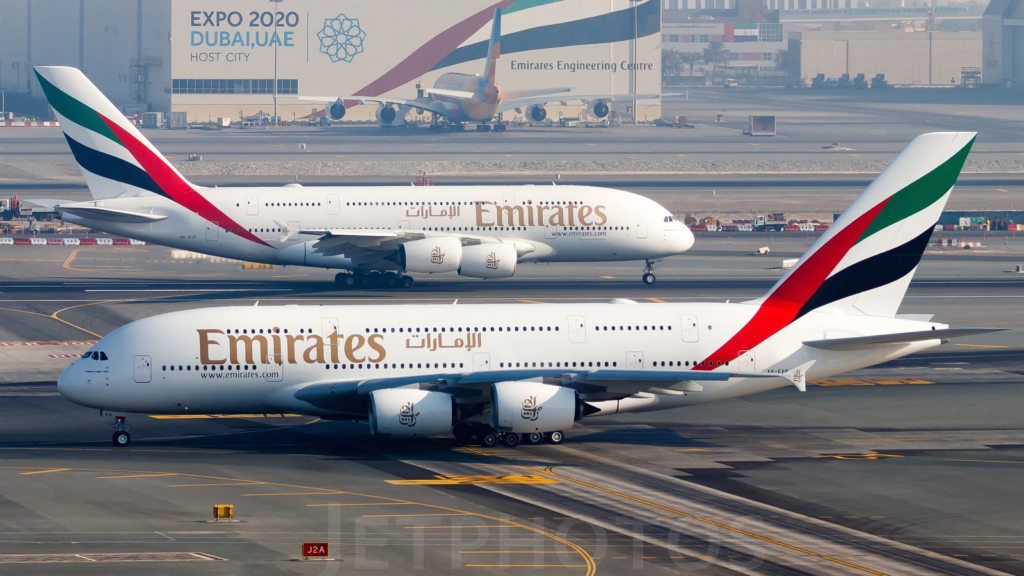
Passenger Growth and Market Capacity
Dubai International Airport is projected to accommodate approximately 96 million passengers this year, nearing its pre-pandemic record. Saudi Arabia has emerged as the second-largest market for DXB, accounting for 7.8% of total passengers.
The combined traffic from Saudi Arabia at DXB and DWC has reached 6.3 million passengers and continues to grow. Paul Griffiths, CEO of Dubai Airports, emphasized that strong connectivity is crucial for maintaining Dubai’s relevance in the global aviation landscape, insisting that it must be delivered efficiently and with an excellent customer experience.
Seasonal demand from Europe and Central Asia is also rising, with Kazakhstan’s FlyArystan adding to the DXB network from Aktau and Austrian Airlines resuming flights from Vienna.
Additional growth from cities such as Sari in Iran and Lahore in Pakistan is enhancing Dubai’s traffic profile.
DWC’s Expanding Role in Peak-Season Capacity
Dubai World Central is increasingly vital for accommodating winter travel demands. The airport received 1.1 million passengers in the first 10 months of the year, reflecting a growth rate of 36.6 percent, bolstered by traffic from CIS, GCC, and Western European markets.
Robert Whitehouse, Vice President of Research at Dubai Airports, noted that growth at both DXB and DWC signifies a well-balanced mix of inbound visitors, outbound resident travel, and sustainable population growth, thereby enhancing the resilience of Dubai’s aviation network.
What are your thoughts on Emirates’ innovative use of the Airbus A380 for short routes?