Hawaiian Airlines Upgrades 787-9 Orders to Spacious 787-10 Dreamliners

HONOLULU- Hawaiian Airlines has made a significant move by upgrading its initial orders for five Boeing 787-9 Dreamliners to five larger 787-10 variants. This change aims to enhance capacity while benefiting from the efficiency characteristic of the Dreamliner series.
This decision is part of the airline’s strategic adjustments as it continues to integrate into the Alaska Air Group. It positions both airlines to expand their international services, effectively utilizing new widebody aircraft.
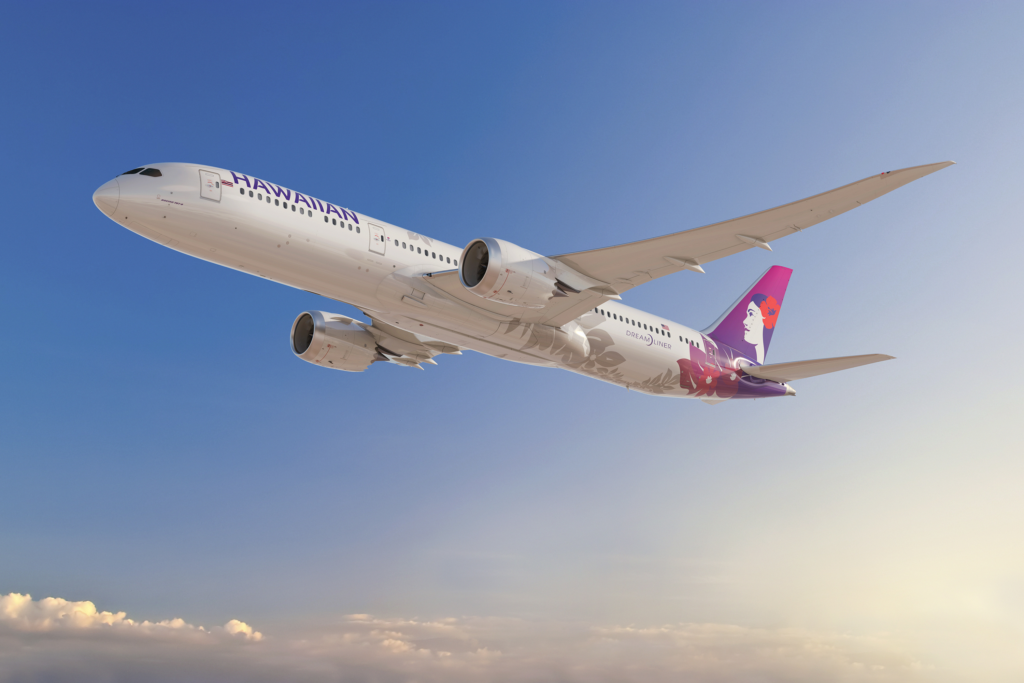
Boeing 787-9 to 787-10 Conversion
Hawaiian Airlines initially planned for five Boeing 787-9s but has now opted for the larger 787-10 version. This change aligns with the airline’s evolving strategy following its acquisition by Alaska Air Group.
The 787-10 boasts a higher seating capacity, which is essential for meeting increasing passenger demand on long-haul routes. It continues to maintain favorable fuel efficiency and operating costs relative to the -9 variant.
This model is built exclusively in Charleston, South Carolina, and is configured for longer routes of around 7-8.5 hours. Hawaiian Airlines already operates four 787-9s, averaging 1.7 years of service.
Aerolopa highlights that Hawaiian’s 787-9s feature thirty-four Leihōkū Suites in their business class, equipped with “a sliding privacy door” and main cabins containing “266 Collins Aerospace Aspire seats” in a 3-3-3 layout.
In contrast, the 787-10s are expected to include a premium economy cabin, accommodating over 300 seats with a three-class configuration.
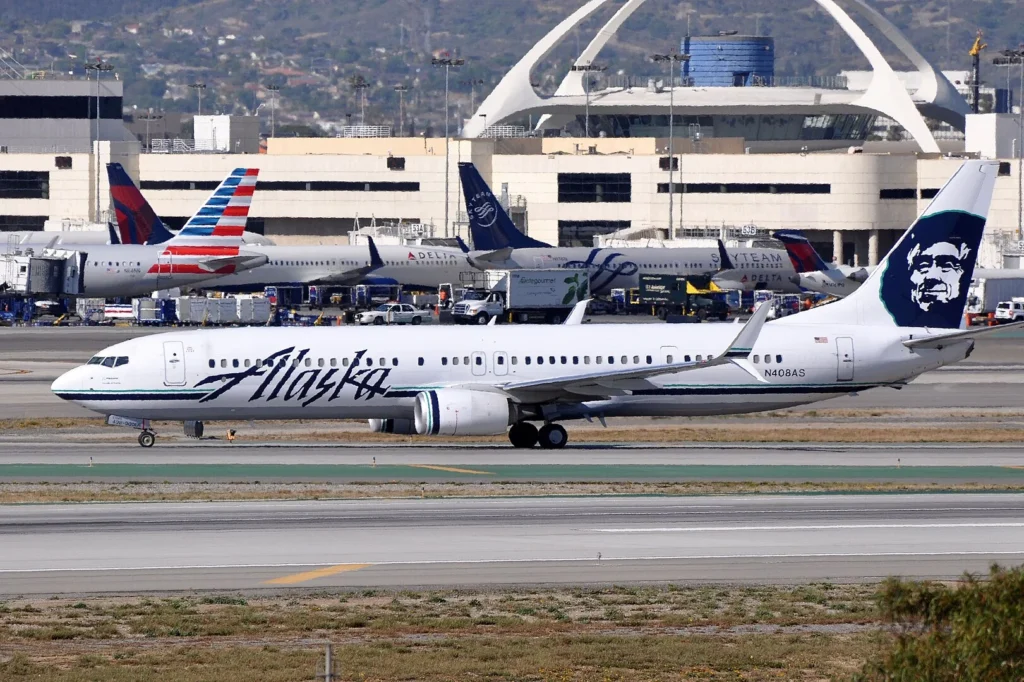
Integrating Fleet Plans with Alaska Air Group
This conversion supports Hawaiian Airlines’ integration strategy with Alaska Airlines, enhancing long-haul capabilities across Pacific and transatlantic routes.
Alaska announced plans to introduce new features in its upcoming 787s:
“To enhance the travel experience for our guests, we are making substantial investments in the onboard experience over the next few years, including all-new interiors with updated lie-flat seats, a new premium economy cabin, and upgraded main cabin seats.”
This fleet modernizing aligns with a broader network vision where Alaska seeks to make Seattle (SEA) an international hub, complementing Hawaiian’s established presence in the Pacific.
Capacity Gains vs. Range Trade-Offs
While the 787-10 allows for more passengers, it comes with a slightly shorter range. Still, most of Hawaiian’s long-haul routes, including those to Asia, Australia, and Europe, remain well within the operational limits of the 787-10.
This trade-off could yield better economic outcomes for high-demand routes, giving Hawaiian Airlines more seats per flight and a close alignment of supply and demand.
Sample 787-10 Seat Configurations
| Airline | First Class | Business Class | Premium Economy | Economy Class | Total Seats |
|---|---|---|---|---|---|
| British Airways (BA) | 8 | 48 | 35 | 165 | 256 |
| United Airlines (UA) | – | 44 | 21 | 253 | 318 |
| Singapore Airlines (SQ) | – | 36 | – | 301 | 337 |
| EVA Air (BR) | – | 34 | – | 308 | 342 |
| ANA (NH) | – | 38 | 21 | 235 | 294 |
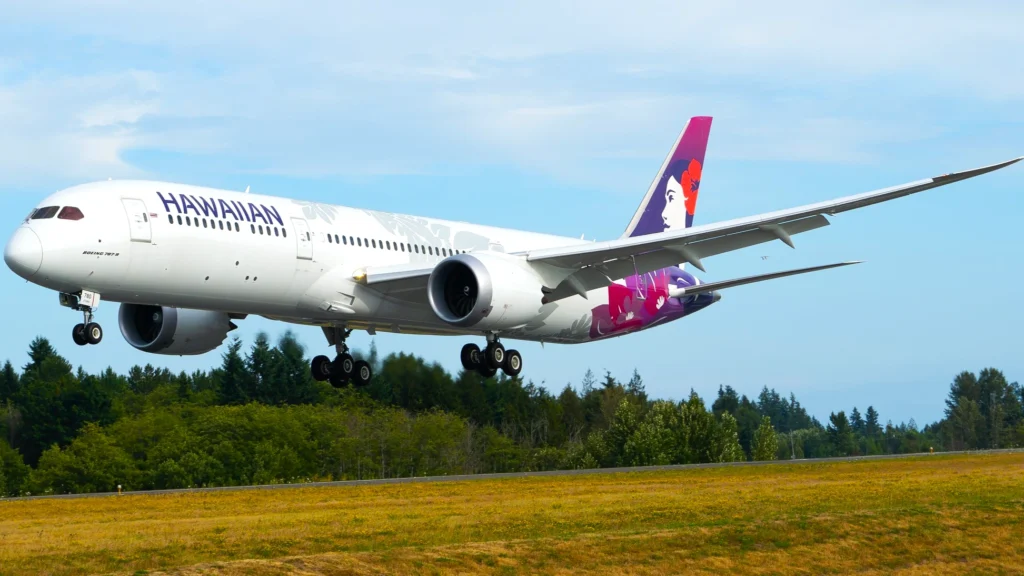
Strategic Implications for Network Growth
The switch to the larger Dreamliner fleet dovetails with the airline’s ambition to expand transpacific and transcontinental routes. The added capacity of the 787-10 could significantly increase revenue potential for each flight.
Future plans involve new services from Seattle to Rome (FCO) and Seoul (ICN), with the Dreamliners playing a crucial role in these expansions.
Bottom Line
Details regarding delivery schedules for the newly converted 787-10s are still pending, along with their assigned routes. As the merger process unfolds, further insights into the deployment strategy will emerge.
Additionally, stakeholders can look forward to updates on the status of Hawaiian’s remaining A330 fleet and how the combined airline will manage widebody operations across its hubs in Honolulu and Seattle.
What are your thoughts on Hawaiian Airlines’ decision to upgrade to the Boeing 787-10?