Air India Requests ₹5,000 Cr Subsidy Due to Pakistan Ban

Air India Faces Financial Strain Due to Pakistan’s Airspace Ban: Seeking ₹5,000 Crore Subsidy
Gurugram – Air India (AI) is bracing for a potential financial setback amounting to approximately ₹5,029.2 crore ($600 million) over the next year, primarily due to Pakistan’s ongoing ban on Indian airlines utilizing its airspace. This situation has compelled Air India to request a significant subsidy from the Indian government as it navigates the challenges of rerouted international flights and increased operational costs.
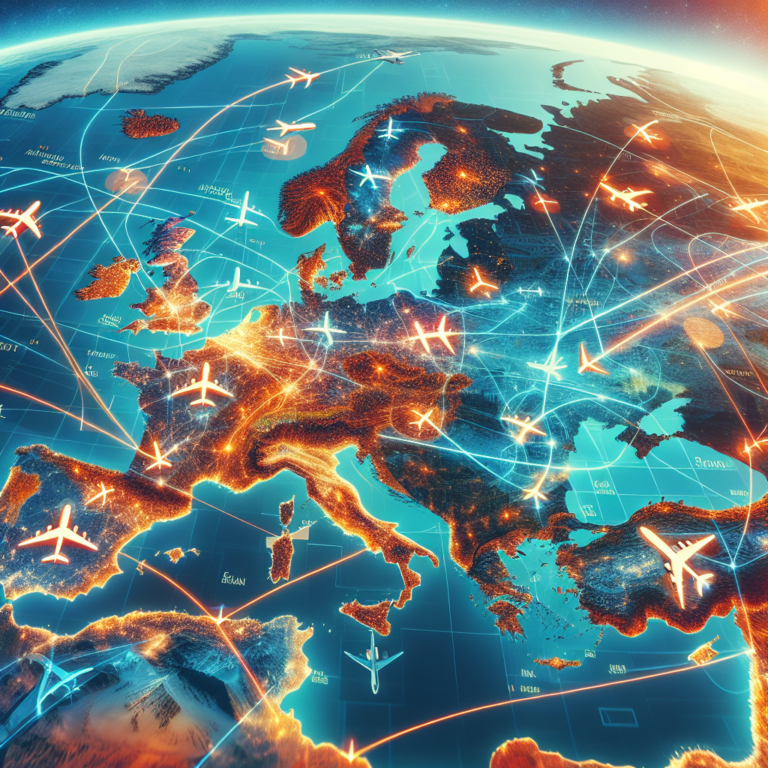
The airspace ban was imposed following India’s suspension of the Indus Waters Treaty, a response to a tragic attack on tourists in Pahalgam, Kashmir. As a result, Indian carriers, including Air India, are facing extensive disruptions, particularly affecting major hubs like New Delhi (DEL) and international destinations across Europe and North America.
Air India Seeks ₹5,000 Crore Subsidy
The closure of Pakistan’s airspace to Indian airlines is a direct consequence of escalating tensions following the April 22, 2025, attack in Kashmir. This ban has forced Air India to adjust its flight routes, significantly impacting its long-haul operations to Europe, the United States, and Canada.
According to a report by Reuters, Air India anticipates an annual loss exceeding ₹5,029.2 crore if the airspace restrictions persist. The airline attributes these losses to increased fuel consumption and extended flight durations. In a letter addressed to the Civil Aviation Ministry on April 27, 2025, Air India outlined the disproportionate impact of the airspace closure on its operations, citing higher fuel burn and the need for additional crew members.
Key points from Air India’s situation include:
- 1,200 Flights Affected: Approximately 1,200 flights from New Delhi to Europe, the Middle East, and North America were disrupted in April alone.
- Market Share Vulnerability: Air India, holding a 26.5% market share in India, operates more long-haul routes than its competitors, making it particularly susceptible to these challenges.
- Financial Losses: The airline reported a net loss of ₹4,358.64 crore in the fiscal year 2023-2024, further exacerbated by delays in aircraft deliveries from Boeing and Airbus.
Government Response to Airspace Ban
In response to the airspace ban, the Indian government is actively exploring measures to mitigate the aviation sector’s financial burden. Sources suggest that Indian carriers, including Air India, have consulted with the Civil Aviation Ministry regarding potential alternatives, such as rerouting flights over challenging terrain near China and exploring tax exemptions.
Air India’s correspondence with the government specifically requested assistance in obtaining overflight clearances from Chinese authorities. Additionally, the airline proposed the idea of carrying extra pilots on flights to the United States and Canada to manage extended travel times, pending government approval.
The government’s proactive engagement comes after it solicited airlines to assess the ban’s impact. Civil Aviation Minister K. Ram Mohan Naidu emphasized the need for minimal disruption for passengers.
Past Precedents and Ongoing Challenges
The airspace closure has forced Air India to reroute flights, adding significant time to journey durations. For example:
- Increased Flight Times: Flights from New Delhi to the Middle East now take about an hour longer, reducing cargo capacity and inflating fuel costs, which typically account for 30% of an airline’s operating expenses.
- Technical Halts: Ultra-long-haul flights to North America are now making technical stops in European cities like Copenhagen and Vienna for refueling, disrupting non-stop schedules.
This isn’t the first time Pakistan has enforced such a ban on Indian carriers. Following the Balakot airstrikes in 2019, the airspace closure led to losses of approximately ₹536.45 crore for Indian airlines, with Air India bearing the brunt due to its extensive westbound routes. The current ban is set to last until at least May 23, 2025, and could result in similar, if not greater, financial repercussions.
Recovery Challenges Ahead for Air India
As Air India navigates a multi-billion-rupee restructuring plan following decades of state ownership, the airline faces considerable obstacles. Ongoing delivery delays from Boeing and Airbus further restrict its operational capabilities, complicating efforts to adapt to shifting route demands.
While the Indian Civil Aviation Ministry has yet to issue an official response, reports indicate that policymakers are considering various strategies to mitigate the economic impact of the airspace ban. The success of these efforts will depend on diplomatic progress and operational flexibility moving forward.
For more updates on Air India’s situation and the implications of the airspace ban, feel free to share your thoughts in the comments or explore our related articles on the aviation industry.
References: