
United Airlines to Determine Airbus A350 Addition to Long-Haul Fleet

Chicago’s United Airlines is nearing a decision on its longstanding Airbus A350 order. With the airline indicating that it will evaluate the retirement of the Boeing 777 by the end of 2025, even CEO Scott Kirby is weighing options for the European-manufactured widebody aircraft.
Originally, United Airlines placed a firm order for 25 Airbus A350-900s in 2009. This commitment evolved into an order for 35 A350-1000s in 2013 and later shifted to 45 A350-900s in 2017. Despite multiple delays, the A350 remains in United’s system, although first deliveries are not anticipated until the 2030s.
Kirby recently opened up to The Airline Observer, discussing how United is rethinking its longstanding Airbus A350 order as part of a broader fleet renewal strategy. He emphasized the need for Washington to address international aviation concerns, describing it as a “trade deficit.”
The airline has postponed deliveries of the A350-900 past 2030. Still, Kirby has informed staff that, given the increasing order books of aircraft manufacturers, decisions about replacing the aging Boeing 767 and 777 fleets must be finalized soon. Many industry analysts have anticipated cancellations of the A350 orders, especially as United has strongly supported the Boeing 787 Dreamliner, with over 140 units still on order.
Currently, United is assessing operating costs, politics, and pilot training expenses as it considers its backlog of Boeing 787 orders. Kirby noted that now could be an appropriate moment to revisit the A350 plans.
With the Boeing 757s and 767s nearing retirement, any new aircraft will require pilot retraining, regardless of the model. Kirby pointed out that since retraining costs are unavoidable, it might be beneficial to introduce the A350 rather than continuing to defer the order.
“By the end of this decade, we will have phased out the 767 entirely. I’m hesitant to bring in a new fleet type due to complexities and costs. However, as we retire the 767 and 757, we’ll still need to retrain pilots. This makes it a natural point to consider turning the A350 order into a firm commitment instead of further deferrals,” he stated.
By the decade’s end, United plans to have completely retired its 53 Boeing 767s, making it an opportune moment to solidify the Airbus order rather than delay it any further.
United is already implementing a significant fleet modernization initiative. Presently, the airline has commitments for 50 Airbus A321XLRs to replace its aging Boeing 757s, leaving the Boeing 767 and 777-200 families as the next major groups in need of renewal.
The fleet comprises 53 767s and 74 Boeing 777-200s slated for replacement. Additionally, there are 101 other widebody aircraft within the current fleet. Market forecasts indicate a greater need for widebodies than the current order for more Dreamliners, essential for facilitating replacements and supporting international growth.
United Airlines has also secured a Rolls-Royce engine agreement from eight years ago. Once considered unfavorable, this deal has gained appeal as inflation, supply chain challenges, and increased travel demand have emerged in the wake of the pandemic.
While the airline has focused on the Boeing 787 for its international expansion plans, a decision regarding the Airbus A350 order needs to be made soon, as recognized by Kirby. The A350’s larger capacity and longer range could offer different mission profiles than the Dreamliner, making currently underserved international routes more viable.
If United proceeds with the A350, industry analysts believe the airline may also place additional orders for Boeing aircraft to ensure political and industrial support across both sides of the Atlantic.
With all these developments, how do you think United Airlines should navigate their fleet renewal strategy?
Similar Posts
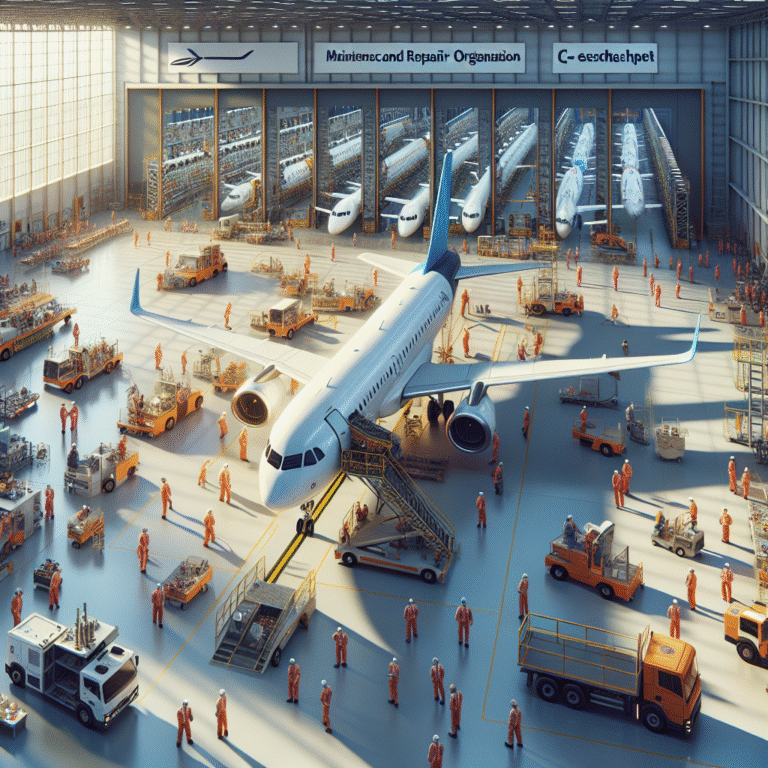
HAL Nashik Revamps 2 Civilian Aircraft at New Facility
Hindustan Aeronautics Ltd (HAL) is expanding its maintenance, repair, and overhaul (MRO) services for civilian aircraft at its Nashik facility, transitioning from military to civilian aviation support. Since launching civilian MRO services in March 2025, HAL has overhauled an A320neo for IndiGo and two Embraer aircraft, enhancing its operational capabilities. A partnership with Airbus has established a state-of-the-art ‘C’-Check facility, aiming to overhaul 12 A320s annually, with plans to scale to 20. This initiative promotes self-reliance in aviation maintenance, generates local jobs, and supports India’s “Make in India” initiative, significantly contributing to the local economy.
Avianca Unveils Succession Plan Following CEO’s Resignation
Avianca, which is owned by Abra Group, has unveiled its plan…

Turkish Airlines Plans 500-Aircraft Fleet by September 2025
Turkish Airlines plans to expand its fleet to 500 aircraft by September 2024, reinforcing its position as a leading global carrier. Currently operating 492 aircraft, the airline aims to reach 813 by 2033, coinciding with its centennial anniversary. As of late 2024, Turkish Airlines operates flights to 352 destinations, generating $22.7 billion in revenue, an 8% increase from the previous year. Despite a 43% decline in net income to $3.43 billion, the airline has reduced its debt significantly. With a strong financial strategy and growing demand for air travel, Turkish Airlines is poised for future growth.

2024 Qatar Airways Cabin Crew Salary Insights
Qatar Airways, the flagship carrier of Qatar, offers competitive salaries for cabin crew ranging from QAR 4,000 to QAR 16,000 per month, with additional earnings for flying longer distances. Benefits include fully furnished accommodation, comprehensive medical insurance, transportation to the airport, discounted travel, and access to various worldwide discounts. To qualify, candidates must be at least 21 years old, fluent in English, and possess a high school diploma. However, some drawbacks include strict regulations, surveillance in accommodations, and potential job insecurity. Qatar Airways remains a top choice for aspiring cabin crew due to its attractive compensation and multicultural work environment.
Air India Calls Off Plans for Dallas to New Delhi Flight Route
DALLAS- Air India (AI) has decided to cancel its initially planned…
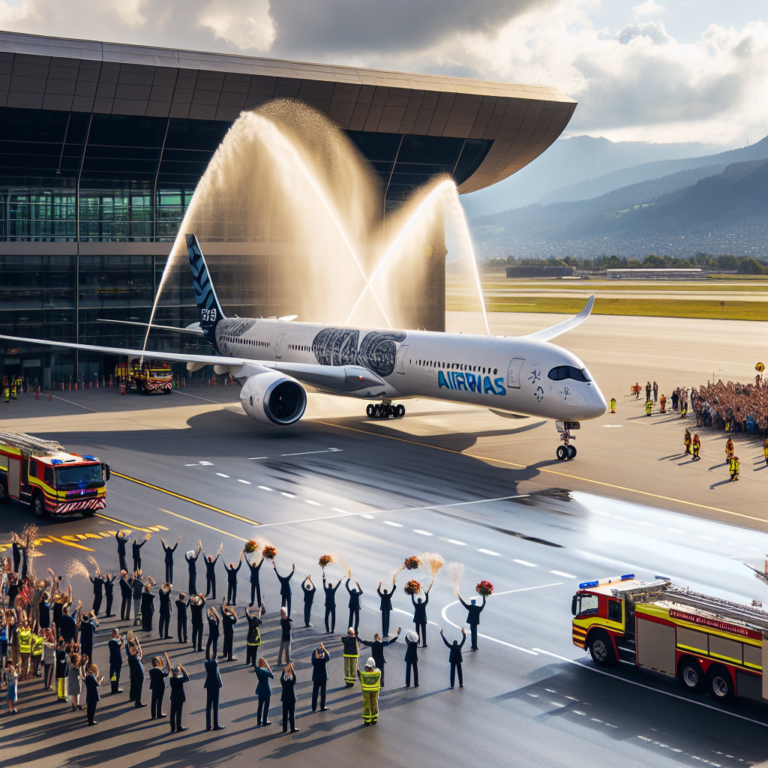
Edelweiss Receives First A350, Announces Las Vegas Routes
Edelweiss Airlines has welcomed its first Airbus A350-900, registered as HB-IHF, at Zurich Airport, marking a key milestone in enhancing its long-haul capabilities. The aircraft, celebrated for its fuel efficiency and sustainability, allows for new routes, including direct flights to Las Vegas. The airline plans to acquire a total of six A350-900s by 2027, replacing older A340 models and modernizing its fleet. The arrival ceremony attracted significant attention, with over 100 employees present and a traditional water salute from the fire department. The A350 offers improved fuel efficiency, reduced noise, and enhanced passenger comfort.