Delta Upgrades Airbus A320 Engines to Address Significant Concerns

Delta’s Fleet Upgrade Initiative
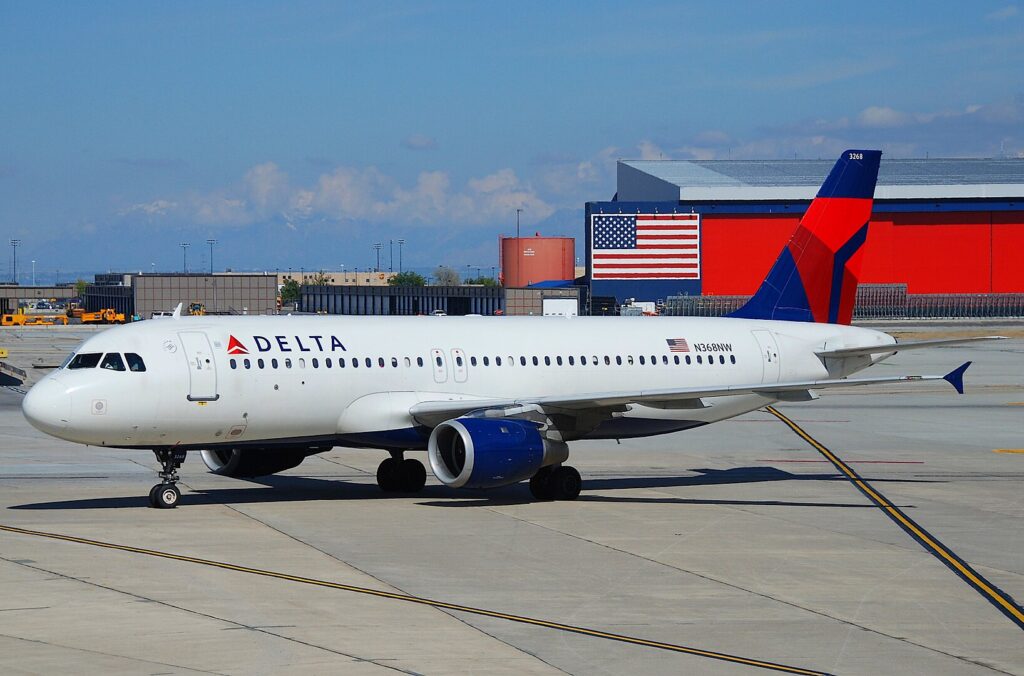
ATLANTA- Delta Air Lines (DL) is making significant strides in upgrading its fleet by replacing auxiliary power units in more than 300 Airbus A320 aircraft. This initiative, which began in 2022, aims to prevent toxic fume leaks from infiltrating the passenger cabins, addressing a major health concern for both crew and travelers. The project is currently over 90% complete.
Flight attendants have reported troubling symptoms resulting from fume exposure, leading airlines like Delta to investigate potentially safer synthetic oils. Major industry players, including United Airlines (UA) and Frontier Airlines (F3), are also examining methods to enhance safety and reduce risks in their operations.
Delta’s Approach to Engine Replacement
Delta is committed to replacing engines on its Airbus A320 fleet to eliminate oil leaks that contaminate cabin air. These auxiliary power units are vital for ground operations but can sometimes fail, releasing harmful fumes into the plane’s ventilation system. The full replacement initiative is expected to wrap up by late 2025.
Flight crews have reported immediate symptoms from fume exposure, such as dizziness and respiratory distress. One flight attendant, Vanessa Woods, shared a harrowing experience from 2016 when she feared for her safety due to toxic inhalation while in flight.
Such incidents highlight the critical nature of this issue, particularly since narrowbody jets like the A320 are prevalent on short-haul routes. Investigations have pointed out design vulnerabilities in the A320 that contribute to harmful emissions from burnt engine oil.
To mitigate risks, Delta is testing different oil formulations and closely monitoring the integrity of seals and pressure levels, ensuring that replacement processes do not disrupt flight schedules.
Health Consequences of Fume Exposure
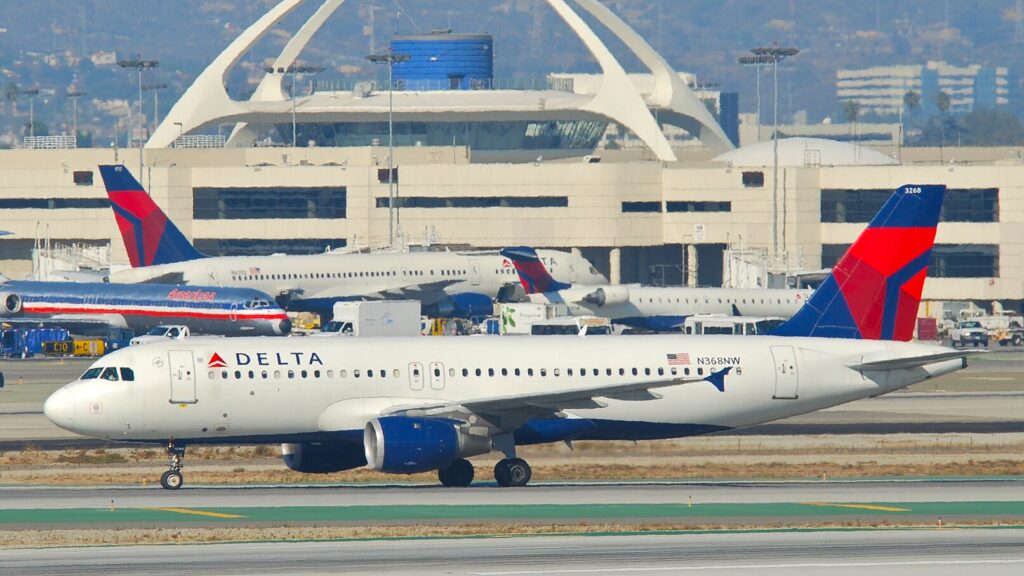
Toxic fumes can lead to serious neurological issues such as memory loss and chronic fatigue. Dr. Robert Harrison, an expert in occupational medicine at the University of California, San Francisco, treats numerous crew members suffering from these effects each year.
The symptoms can resemble acute poisoning, with long-lasting impacts like neuropathy that can persist for years. Passengers are at risk as well, though such events occur less frequently. Dr. Harrison advocates for early detection using air quality sensors to help prevent serious health issues. Delta’s fleet upgrades are incorporating such technologies in line with FAA recommendations for cabin safety.

Strategies for Fume Prevention Across Airlines
United Airlines is focusing on engine monitoring and tracking oil consumption as part of its fume prevention strategy. By proactively replacing seals, they are working to limit leaks in their older fleets.
United’s CEO, Scott Kirby, emphasizes that modern aircraft like the Boeing 787 Dreamliner are designed to minimize fume-related issues with their isolated systems.
Barry Biffle, CEO of Frontier Airlines, acknowledges infrequent fume issues on Airbus aircraft but assures that their maintenance procedures are thorough and comply with industry standards. The airline employs rapid response teams to address any irregularities immediately.
The broader industry is also pushing towards sustainable aviation fuels that could improve engine performance and stability further.
Delta’s commitment extends to training crew members in recognizing symptoms and conducting evacuation drills. Collaborations with manufacturers are fast-tracking advancements in oil technology, with an expectation of fleet-wide benefits by 2026.