LOT Airlines’ Boeing 787 Flight from Tokyo to Warsaw Diverted to China

TOKYO – A Boeing 787-9 from LOT Polish Airlines, operating flight LO80 from Tokyo Narita (NRT) to Warsaw Chopin (WAW), was compelled to make an unscheduled stop in Urumqi (URC) on August 15 following an engine issue reported by the crew. Fortunately, the aircraft landed without incident, and passengers were subsequently rebooked onto alternate flights.
The Dreamliner, equipped with Rolls-Royce Trent 1000 engines, has yet to resume service and remains on the ground in China. The Trent 1000 engines have faced scrutiny due to past reliability issues that have impacted airlines worldwide.
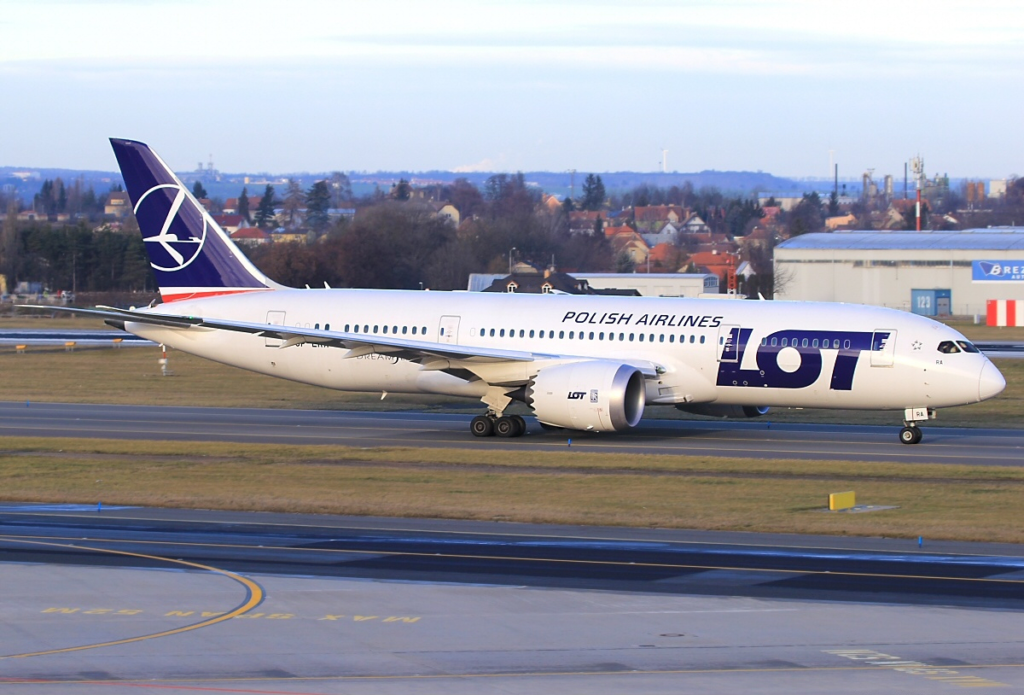
LOT 787 Diverted to China
The incident involved the LOT Polish Airlines Boeing 787-9, registered as SP-LSA, which serves the daily Tokyo-Warsaw route.
This flight took off from Tokyo Narita Airport (NRT) at 23:07 local time, slightly later than planned, and climbed northwest over China. While cruising at 11,000 meters, the crew noticed a technical issue with one of the engines approximately 620 nautical miles east of Urumqi.
The pilots handled the situation by initiating a controlled descent and directed the aircraft to Ürümqi Tianshan International Airport (URC), where it landed safely on runway 26R just over an hour and a half later, according to The Aviation Herald.
No injuries were reported, and passengers were accommodated with alternative travel options. However, SP-LSA remains grounded while awaiting further technical assessments.
LOT Polish Airlines has not specified the exact nature of the engine fault, although the Trent 1000 engines featured on its Boeing 787 fleet have faced significant scrutiny over the years.
Originally developed for the Dreamliner in the mid-2000s, Trent 1000 engines have logged over 20 million flight hours and transported more than 350 million passengers. Despite various design improvements, including the Durability Enhancement Package that incorporated sturdier turbine blades, reliability issues persist.
In 2016, fatigue cracks were discovered in the intermediate pressure turbine blades on All Nippon Airways’ (NH) 787 fleet, leading to inspections and temporary aircraft groundings.
By 2018, regulatory authorities reduced ETOPS clearance for specific Trent 1000 variants from 330 minutes to 140 minutes, limiting operational flexibility for airlines. Such developments underline persistent durability concerns affecting global airline schedules.
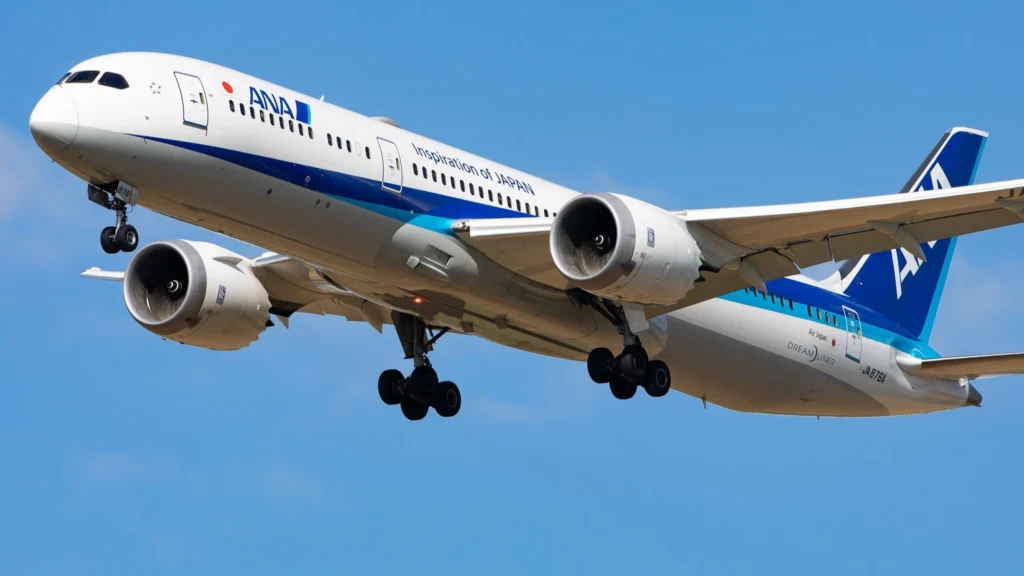
Impact on Other Airlines
The reliability issues surrounding the Trent 1000 engines have led to operational challenges for several airlines. Carriers like Virgin Atlantic, British Airways, Air New Zealand, All Nippon Airways, Gulf Air, and Norwegian Air have adjusted their schedules or altered their operations accordingly.
Virgin Atlantic, operating 17 Boeing 787-9 aircraft, had to scrap its planned London Heathrow to São Paulo route and has postponed its London Heathrow to Accra service until October 2025.
Norwegian Air cited Trent 1000 challenges as a major factor in their decision to exit long-haul operations entirely.
Despite Rolls-Royce implementing technical solutions, including redesigning turbine blades, a lack of spare parts has hindered the rollout of these improvements. Analysts predict ongoing repercussions from Trent 1000 issues will likely continue into 2026.
Bottom Line
The diversion incident involving LOT Polish Airlines highlights broader issues that airlines face with the Trent 1000 engines.
While the aircraft landed safely and passengers received assistance, the grounding of another Dreamliner emphasizes the strain that ongoing engine problems inflict on airline operations, maintenance schedules, and aircraft availability.
For airlines like LOT, reliance on the Trent 1000 means that even a single engine issue can severely disrupt international flight schedules and passenger connections.
Until comprehensive technical solutions and sufficient spare part availability are guaranteed, the Trent 1000 will remain a considerable concern for both airlines and travelers alike.
Would you like to know more about the impact of engine reliability on airline operations?