Discover the World’s Largest Airline by Pilot Count in 2025

The aviation landscape is often assessed based on various metrics like fleet size, revenues, and the range of services offered. However, an equally vital aspect is the number of pilots employed by these airlines. As we look ahead to 2025, American carriers are not only leading in aircraft numbers but also in the workforce necessary to operate these fleets.
United Airlines (UA) stands out prominently, employing more pilots than any other airline globally. This leadership emphasizes the overall strength of the American aviation sector, which boasts the most expansive domestic and international flight networks.
With a multitude of daily flights, the leading U.S. airlines necessitate significant pilot teams to ensure seamless operations. Despite the hurdles previously posed by the pandemic and the retirement wave, these carriers are actively increasing their workforce and modernizing their fleets.
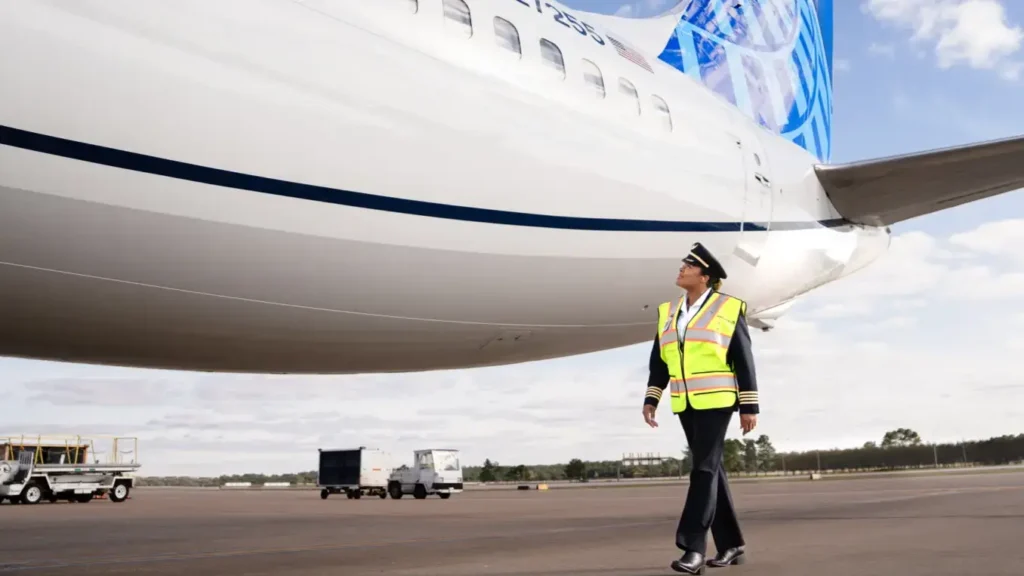
Leading Airlines by Pilot Count
Data from the Air Line Pilots Association (ALPA) reveals that United Airlines employs about 17,800 pilots, solidifying its position as the largest airline in terms of pilot workforce. Close behind is Delta Air Lines (DL), with more than 17,300 pilots, while American Airlines (AA) also maintains a strong presence in this regard.
These statistics not only highlight the extensive route networks of these carriers but also reflect a robust post-pandemic recovery within the U.S. aviation sector.
United leads in several additional categories, including the most available seat miles and a wide range of destinations. Delta, meanwhile, excels in terms of overall revenue, market capitalization, and brand value. American Airlines carries the most passengers annually, establishing the “Big Three” as key players across nearly every measure of airline size.
Reports indicate that combined, these three airlines employ upwards of 50,000 pilots, showcasing a considerable commitment to workforce investment.
With pilot salaries averaging over $200,000 annually, the total expenditure on flight crews is substantial, reflecting both the intricacies of global aviation operations and the high skill level required in piloting.

Pandemic Impact and Recovery
The COVID-19 pandemic from 2020 to 2022 profoundly disrupted the aviation industry. Many pilots either retired early or left the field, leading to shortages that airlines are still working to address.
As travel demand rebounded post-2022, major U.S. airlines ramped up hiring to meet operational requirements. In 2022, over 13,000 new pilots joined U.S. airlines, with more than 12,000 added in 2023. United alone welcomed over 1,000 new pilots in a single year.
Hiring has since leveled off, with an annual expectation of about 5,000 new pilots entering the workforce—a number that’s more indicative of a stable, sustainable trend.
Nonetheless, the industry faces a looming demographic issue, as many senior pilots approach the mandatory retirement age of 65. Estimates from the Future and Active Pilots Alliance (FAPA) suggest that around 42,000 pilots may retire in the next 15 years, creating a pressing need for enhanced pilot training and recruitment initiatives.

United and Delta Set the Standard
United Airlines and Delta Air Lines have both taken important steps to enhance working conditions for their pilots. United’s Master Executive Council (MEC), in collaboration with ALPA, has initiated a “Union First” campaign to boost pilot representation and improve workplace well-being.
This effort addresses critical issues such as safety, scheduling, and overall financial security—key factors that impact pilot satisfaction and workplace efficiency.
On the other hand, Delta pilots benefit from a leading labor contract ratified in 2023, featuring pay increases and improved working conditions. The Delta MEC actively ensures that this agreement is upheld, safeguarding pilots’ rights and compliance from management.
These initiatives highlight both airlines’ commitment to investing in their personnel alongside their aircraft and routes, which is vital for their operational success.
By 2025, United is set to operate over 4,500 daily flights to more than 300 cities worldwide, while Delta services nearly 290 destinations across six continents. Their extensive networks underline the importance of robust pilot staffing as a critical success factor.
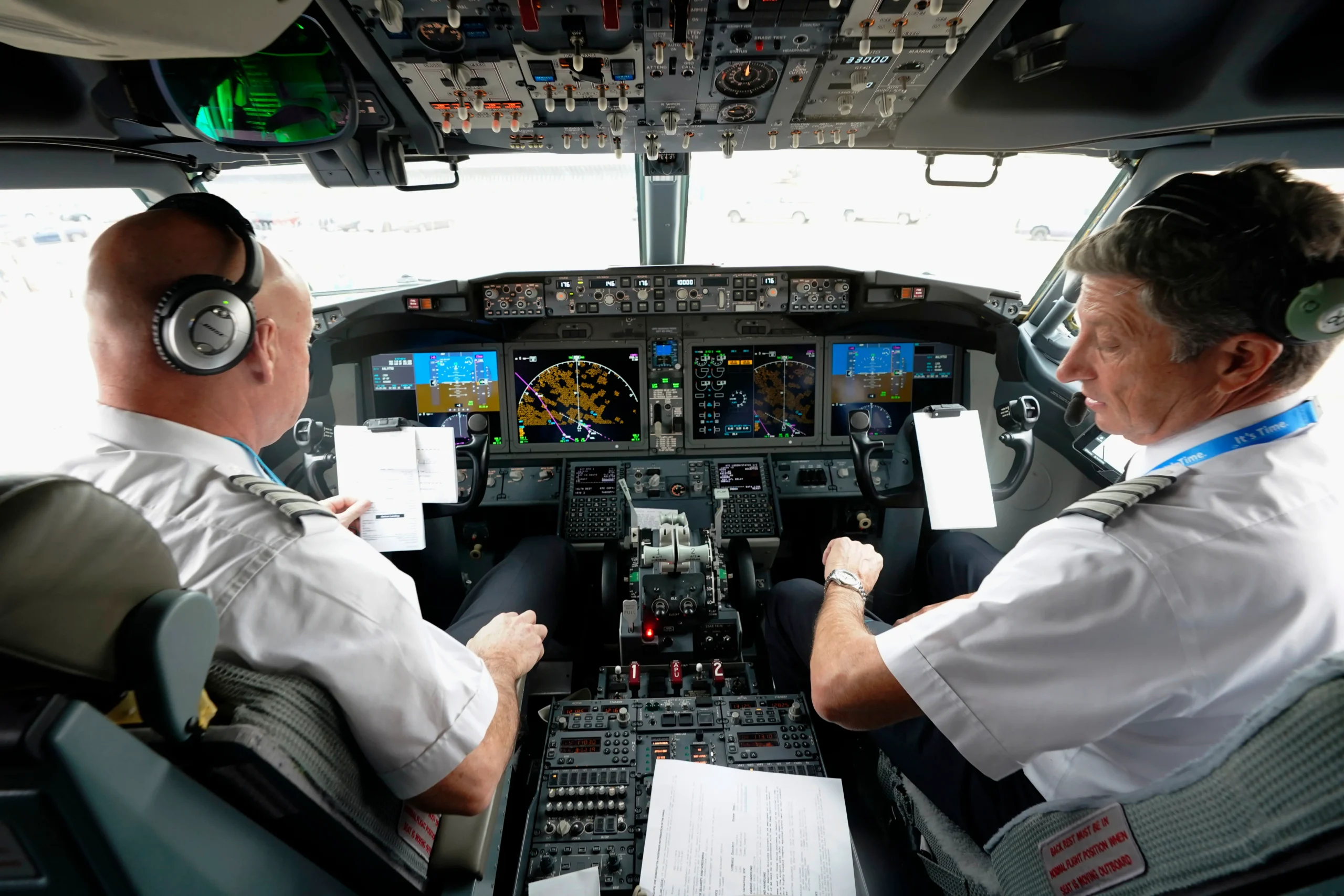
U.S. Airline Pilot Hiring Trends
| Airline | Jan | Feb | Mar | Apr | May | Jun | Jul | Aug | Sep | Oct | Nov | Dec | YTD |
|---|---|---|---|---|---|---|---|---|---|---|---|---|---|
| United Airlines | 133 | 236 | 157 | 180 | 29 | 24 | 22 | 37 | 217 | 1,035 | |||
| UPS Airlines | 20 | 22 | 15 | 27 | 31 | 15 | 33 | 27 | 190 | ||||
| Spirit Airlines | |||||||||||||
| Southwest Airlines | 17 | 14 | 31 | ||||||||||
| JetBlue | |||||||||||||
| Hawaiian Airlines* | 10 | 20 | 10 | 8 | 15 | 20 | 10 | 93 | |||||
| Frontier | 39 | 38 | 32 | 16 | 6 | 131 | |||||||
| FedEx | |||||||||||||
| Delta Air Lines | 194 | 102 | 183 | 21 | 500 | ||||||||
| Atlas Air | |||||||||||||
| American Airlines | 190 | 157 | 157 | 65 | 37 | 131 | 244 | 981 | |||||
| Allegiant Air | |||||||||||||
| Alaska Airlines | |||||||||||||
| TOTALS | 603 | 553 | 561 | 319 | 99 | 55 | 52 |
Source: Simple Flying

Conclusion
United Airlines firmly establishes itself as the leading airline worldwide in terms of active pilot workforce, a testament to its vast operational reach and to the strength of the American aviation industry. Alongside Delta and American Airlines, it continues to set benchmarks in airline growth, training, and workforce management.
Even as the hiring rate normalizes post-pandemic, the demand for skilled pilots remains high, especially given the surge in retirements and ongoing fleet expansions. Do you find the current pilot employment trends in aviation interesting?