British Airways 787 Makes 9-Hour Return to London, Sparks £112K Claims

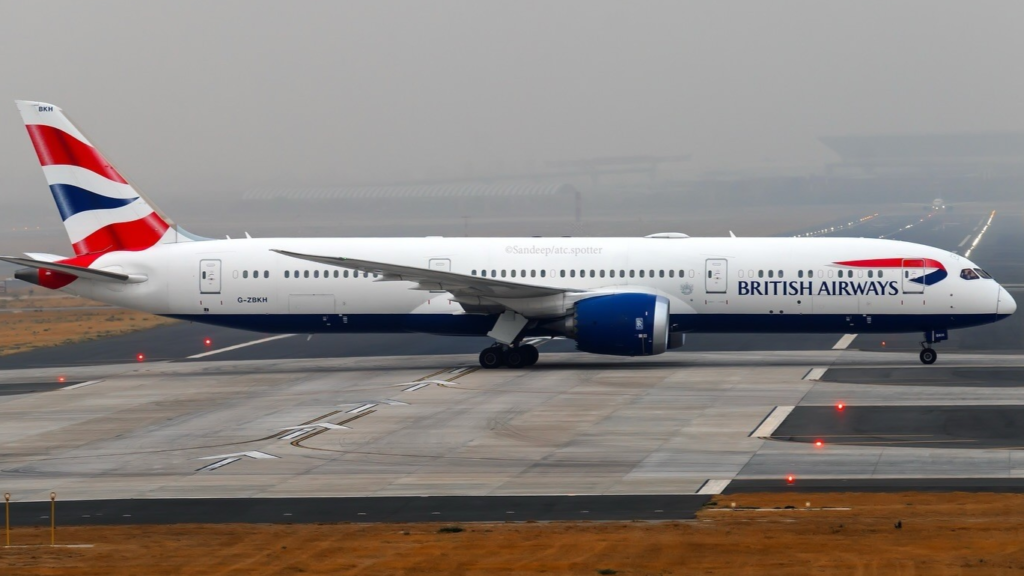
LONDON- Passengers aboard British Airways flight BA243 faced an unexpected journey when their Boeing 787 Dreamliner returned to London after a critical radio altimeter malfunctioned mid-flight. This flight was en route from London Heathrow Airport (LHR) to Mexico City Airport (MEX) and lasted about nine hours, all of which were spent in the air before the aircraft turned back.
As the plane flew over the northeastern coast of Canada, pilots confirmed the altimeter was essential for landing in Mexico City’s challenging high-terrain conditions. Efforts to rectify the instrument proved futile, leading to a full U-turn near Newfoundland.
As reported, this malfunction caused significant disruptions, including the need for hotel accommodations and potential compensation payouts for the airline.
British Airways 787 Returns to London
The flight took off from London Heathrow around 1:20 PM on December 10, slightly delayed by about 40 minutes. The Boeing 787 climbed to 36,000 feet, making its way towards the Atlantic, before hitting issues near Newfoundland.
Flight data showed a quick reversal back to London once the altimeter fault was confirmed. The altimeter is particularly important for measuring the plane’s height above the ground by sending and receiving radio waves for reflections, especially for high-altitude places like Mexico City.
After assessing the situation, the crew deemed it unsafe to continue, leading to an approximately nine-hour flight with only a couple of hours in the air before heading back.
Upon landing around 10:10 PM, all 216 passengers were safely deplaned and provided with accommodations while the airline worked on alternative travel options.
A British Airways representative confirmed the safe landing and assured that efforts were underway to help passengers continue their travel. “We’ve apologized for the delay, and our teams are working diligently to assist our passengers,” the spokesperson said.
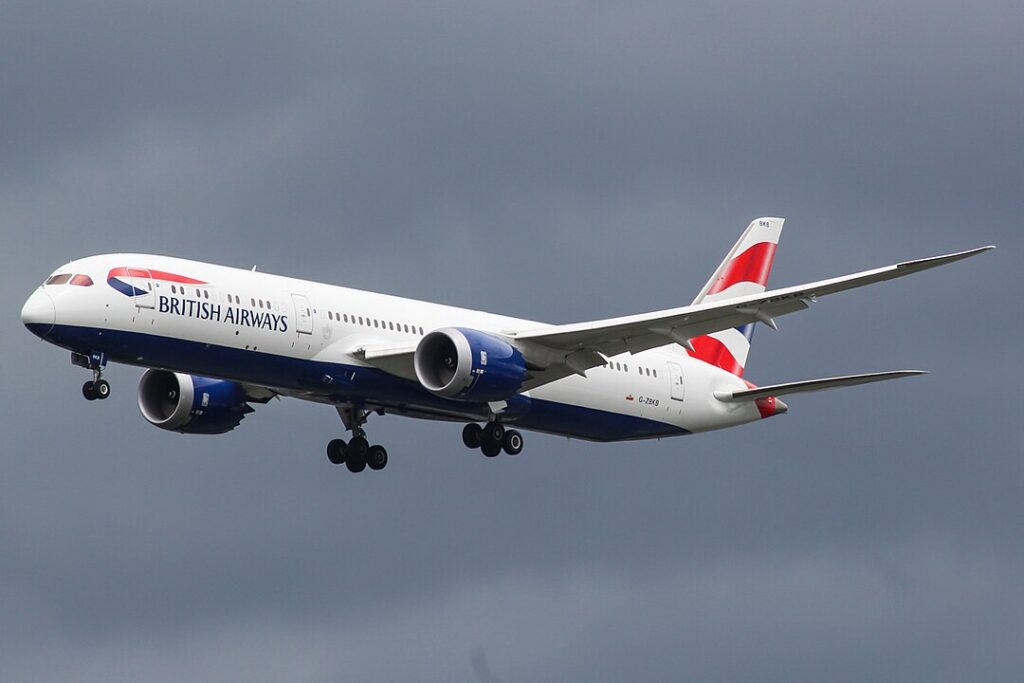
Why BA Did Not Divert to a Closer Airport
Many passengers wonder why flights in distress don’t divert to the nearest airports. Airlines often steer clear of such diversions because smaller airports usually lack necessary resources, including trained engineers and spare parts.
This can lead to longer downtimes and make it challenging to provide adequate support for affected passengers. Bringing the aircraft back to a larger hub allows the airline to manage operations more effectively and minimize the service interruption.
Since compensation becomes necessary if delays exceed specified time limits, the choice of diversion doesn’t impact the compensation liability. For flight BA243, returning to London offered logistical advantages and ensured the aircraft could receive immediate technical support.
Similar Diversion Strategies
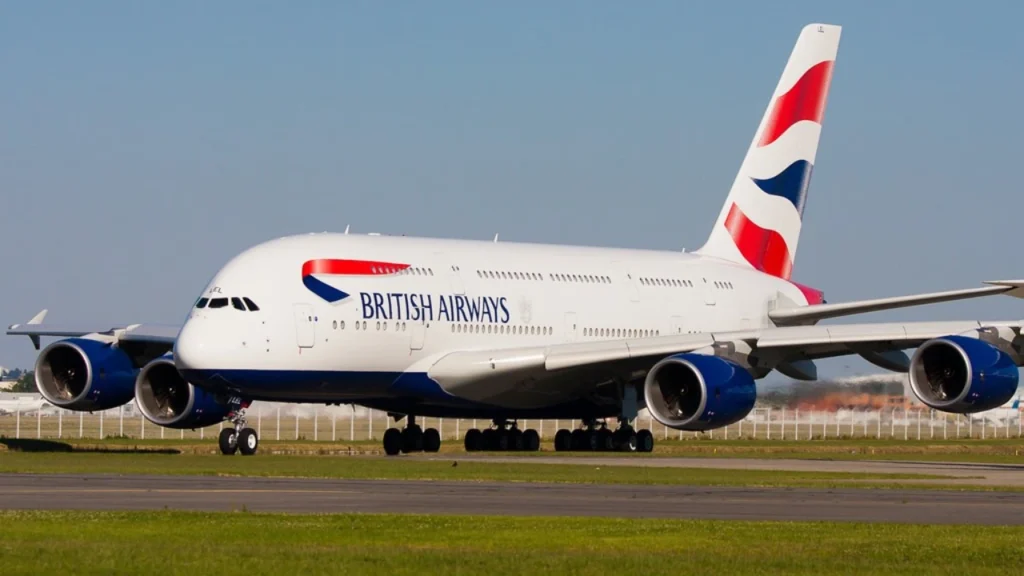
British Airways has developed a reputation for unique diversion strategies. For example, a Johannesburg flight recently departed despite the pilots not having adequate duty time to return to London safely.
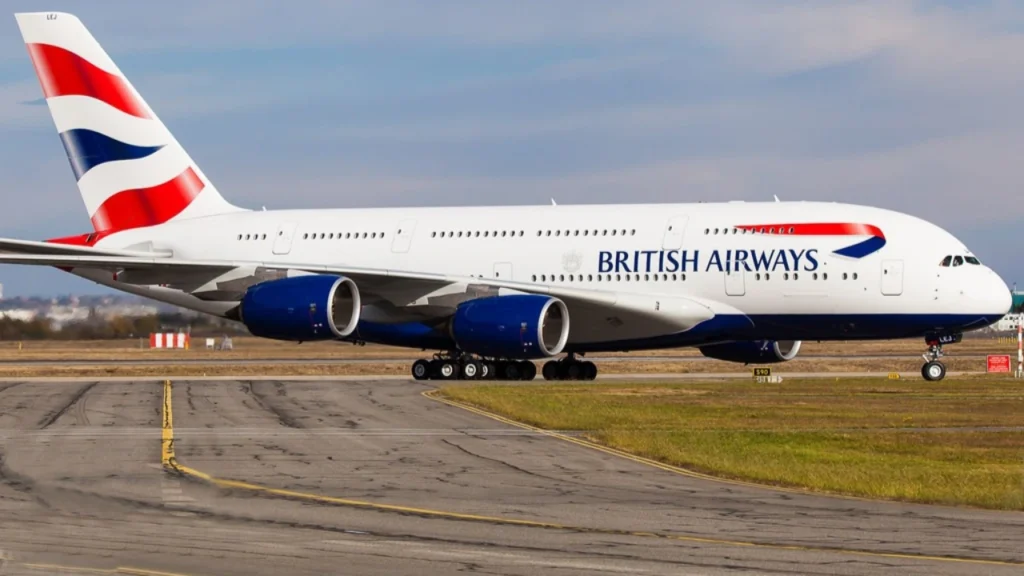
In that case, the airline diverted the Airbus A380 to Madrid, from where two smaller aircraft transported passengers to Heathrow.
Another situation involved a Nassau flight that diverted to Gander for a medical emergency. When crew duty limits hindered any further progress, BA flew the aircraft to Iceland where a new crew took charge for the remainder of the trip.
Such examples display the airline’s flexible strategies in response to operational issues, showcasing their commitment to passenger safety and comfort.
Compensation, Costs, and Passenger Impact
Passengers on BA243 faced an unexpected return and overnight stay after nearly completing their long flight. Under UK air passenger rights regulations, those delayed for over four hours are entitled to £520 each. With 216 passengers onboard, British Airways may face a compensation bill around £112,320, not including hotel and meal expenses.
While this incident isn’t the longest “flight to nowhere,” it emphasizes how travel plans can be disrupted even at cruise altitude. Given that the fault was a technical failure within the airline’s control, British Airways will need to process compensation claims appropriately.
Have you ever experienced a flight disruption that changed your travel plans? How did you handle it?